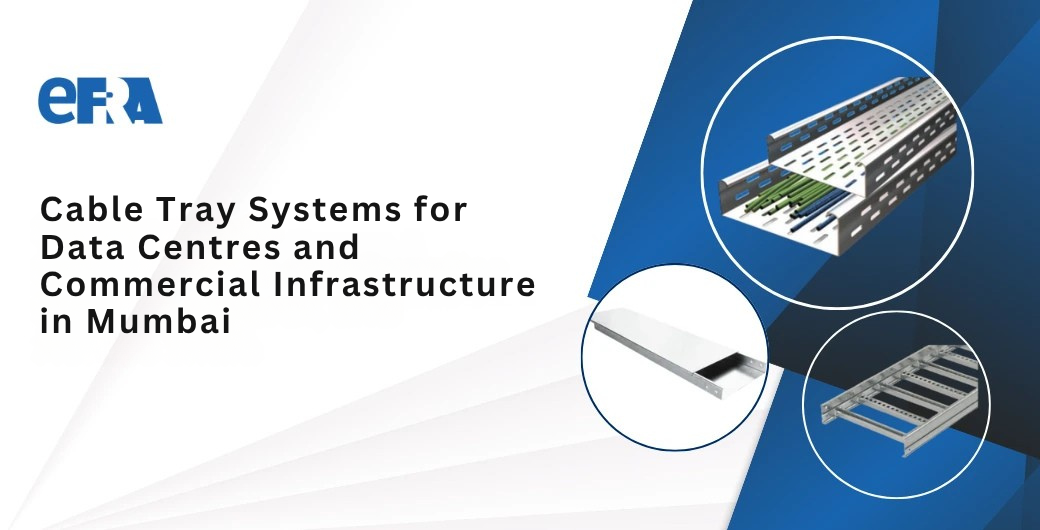
Data centres and commercial infrastructure projects require carefully planned cable management systems. From power distribution and backup systems to networking, telecommunications, security, and building management systems, modern facilities can contain a large number of cables running through different areas of the building.
For this reason, selecting the right cable tray for data centres in Mumbai is an important part of electrical and infrastructure planning. A properly designed cable tray system can help organize cable routes, support maintenance activities, provide flexibility for future expansion, and make better use of available installation space.
Mumbai is an important commercial and technology hub with growing requirements for data centres, office buildings, commercial developments, financial infrastructure, and digital services. These projects often require reliable cable management systems that can accommodate high cable density and changing infrastructure requirements.
Whether the project is a new data centre, commercial building, office complex, IT facility, or large infrastructure development, choosing the right cable management system in Mumbai requires careful consideration of cable type, load, space, ventilation, access, environmental conditions, and future expansion.
Why Cable Management Is Important in Data Centres
Data centres depend on multiple electrical and communication systems operating together. These may include power distribution, networking, servers, storage systems, monitoring systems, security infrastructure, and backup power equipment.
With such a large number of cables, unorganized routing can create challenges during installation, maintenance, inspection, and future upgrades. A properly designed cable tray system provides a structured route for cables and helps project teams plan the infrastructure more efficiently.
A well-planned cable management system can help provide:
- Organized routing of power and communication cables
- Improved accessibility for inspection and maintenance
- Better use of available space
- Improved planning for future cable expansion
- Reduced cable clutter
- More efficient coordination between electrical and building systems
For a large data centre or commercial project, cable tray selection should be part of the initial design process rather than an afterthought.
Understanding Cable Requirements in Data Centres
Before selecting a cable tray, it is important to understand the types of cables that will be installed. A data centre may contain power cables, control cables, network cables, fibre optic cables, communication cables, and other low-voltage systems.
Each cable group may have different routing requirements. Power cables and communication cables may need to be separated according to project design and applicable requirements. The cable tray layout should also consider access, maintenance, cable identification, and future expansion.
The total number and size of cables also influence tray width and capacity. A cable tray system should not be designed only for the current installation if significant expansion is expected in the future.
Choosing the Right Cable Tray for Data Centres in Mumbai
Different cable tray systems may be suitable for different areas of a data centre or commercial facility. The right option depends on the cable type, cable load, installation location, ventilation requirements, and project specifications.
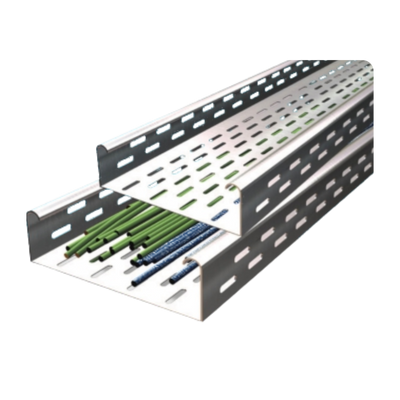
Perforated Cable Trays
Perforated cable trays feature a continuous base with openings that can assist with ventilation and cable fixing. They can be suitable for a variety of power, control, and electrical cable routing applications.
Perforated trays may be considered for areas where continuous cable support and organized cable routing are important. The exact suitability depends on the cable type, load, tray dimensions, and installation requirements.
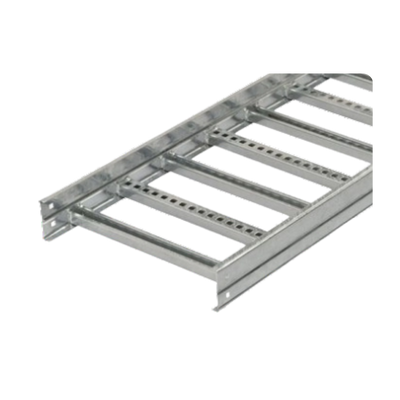
Ladder Cable Trays
Ladder cable trays feature side rails connected by cross rungs. Their open construction allows airflow around cables and provides convenient access for cable installation and maintenance.
Ladder systems may be considered for heavier cable routes or applications where ventilation and open access are important factors.
Wire Mesh Cable Trays
Wire mesh cable trays provide an open cable management structure that can be suitable for various electrical and communication cable applications. Their design can provide flexibility for routing and access, depending on the installation requirements.
Raceway Cable Trays
Raceway cable trays can be considered where a more enclosed cable routing arrangement is required. They may be useful in selected commercial and infrastructure applications depending on the required level of cable protection and project design.
1. Cable Tray Capacity and Cable Density
Data centres often contain a high concentration of cables. The cable tray must be sized appropriately for the planned cable quantity, cable diameter, weight, and required separation.
When selecting a cable tray system, project teams should consider:
- Number of cables
- Cable diameter
- Total cable weight
- Required cable separation
- Tray width and depth
- Support span
- Future expansion capacity
Overcrowding a tray can make cable identification and maintenance more difficult. A properly planned system should provide sufficient capacity for the current installation while considering realistic future requirements.
2. Ventilation and Thermal Considerations
Ventilation is an important consideration for cable installations. Power cables can generate heat, and cable grouping can influence the thermal conditions of an installation.
Open cable tray designs such as ladder and wire mesh systems can allow air to circulate around cables. Perforated trays also provide ventilation through openings in the tray structure.
However, cable tray selection alone does not determine the thermal performance of an installation. The cable type, cable loading, grouping, spacing, ambient conditions, and overall electrical design must also be considered.
Project teams should evaluate the complete installation design when selecting a cable management system in Mumbai for a data centre.
3. Power and Data Cable Routing
Data centres may contain both high-power electrical systems and sensitive communication infrastructure. The cable management layout should be planned to maintain organized routing and appropriate separation based on project requirements.
Power cables may serve equipment such as servers, cooling systems, UPS systems, switchgear, and other electrical infrastructure. Communication and data cables may connect servers, networking equipment, storage systems, and monitoring systems.
The cable tray layout should be coordinated with other building services, including HVAC systems, fire protection systems, structural elements, and access pathways.
Early coordination can help reduce conflicts during installation and improve the efficiency of the overall infrastructure design.
4. Cable Tray Supports and Accessories
A cable tray is part of a complete cable management system. Supports and accessories are required to create a stable and functional installation.
Depending on the project, the system may include:
- Tray supports
- Brackets
- Connectors
- Reducers
- Elbows
- Tees and crosses
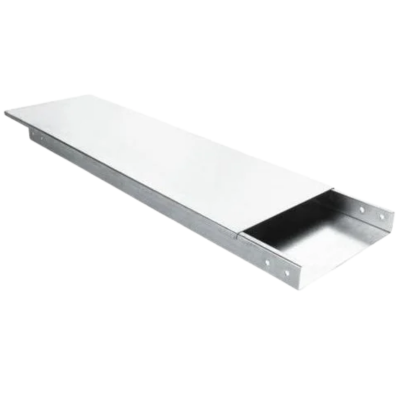
- Cable tray covers
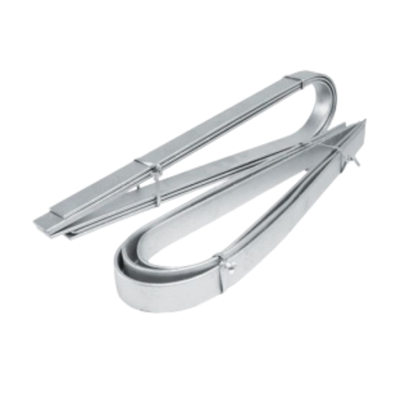
- Strut channels
- C channels
Products such as strut channels and C channels may be used as part of support and structural arrangements, depending on the project design.
Where additional protection is required, a cable tray cover may be considered for selected sections of the installation.
5. Planning for Future Data Centre Expansion
Data centres and commercial facilities frequently require expansion. Additional servers, networking equipment, power systems, and communication infrastructure may be added as the facility grows.
For this reason, future expansion should be considered when designing the cable tray system. The tray route should provide sufficient flexibility for additional cables without requiring major modifications to the existing infrastructure.
However, future capacity should be planned realistically. Oversizing every cable tray can increase material and installation costs. A balanced approach based on the expected expansion strategy is generally more practical.
6. Cable Tray Materials for Mumbai Commercial Infrastructure
The material and surface finish of the cable tray should be selected according to the installation environment. Indoor data centre spaces may have different environmental conditions from outdoor infrastructure areas, rooftops, utility zones, or industrial locations.
Humidity, moisture, dust, temperature, and exposure to environmental pollutants should be considered. Where corrosion protection is important, suitable galvanized or other protective finishes may be selected according to project requirements.
For a data centre or commercial infrastructure project, the selection of a cable tray manufacturer serving Mumbai should include a review of product specifications, available materials, finishes, dimensions, and customization capabilities.
7. Installation and Maintenance Access
Maintenance is an important part of data centre operations. Technicians may need to inspect, identify, replace, or add cables during the operational life of the facility.
A properly designed tray route should provide reasonable access for maintenance and future modifications. Cable identification and routing should also be planned so that maintenance teams can locate the required cables efficiently.
Open tray designs can provide convenient access, while enclosed or covered systems may offer additional protection in selected areas. The correct choice depends on the location and application.
8. Standards and Project Requirements
Data centre and commercial infrastructure projects should be designed according to applicable technical requirements, project specifications, and relevant standards.
IEC 61537:2023 specifies requirements and tests for cable tray systems and cable ladder systems used to support and accommodate cables and, where applicable, other electrical equipment in electrical and communication installations.
Project teams should also review applicable Indian Standards and technical requirements. The Bureau of Indian Standards (BIS) Know Your Standard portal provides a resource for searching information related to Indian Standards.
In addition to standards, client specifications, consultant requirements, electrical design documents, and project-specific installation requirements should be reviewed before selecting the final cable tray system.
9. Choosing the Right Cable Tray Manufacturer in Mumbai
The manufacturer or supplier can play an important role in the success of a cable management project. Before selecting a supplier, project teams should evaluate:
- Available cable tray types
- Product dimensions and specifications
- Material and surface finish options
- Manufacturing capabilities
- Availability of accessories
- Customization capabilities
- Ability to support project requirements
- Quality and consistency of products
A reliable cable tray manufacturer in Mumbai or a manufacturer supplying Mumbai projects should be able to understand the application and provide product information relevant to the project.
Why a Complete Cable Management Strategy Matters
A cable tray should not be selected as an isolated product. The complete system should be planned around the building layout, cable routes, equipment locations, support structure, maintenance requirements, and future expansion.
For large data centres and commercial buildings, early coordination between electrical engineers, architects, MEP consultants, contractors, and cable management suppliers can help reduce installation conflicts.
A well-designed system can provide a structured route for cables while supporting easier maintenance and future infrastructure changes.
Conclusion
Data centres and commercial infrastructure projects in Mumbai require reliable, scalable, and well-organized cable management systems. Selecting the right cable tray depends on cable type, load, density, ventilation, installation environment, access requirements, support arrangement, and future expansion.
Perforated, ladder, wire mesh, and raceway cable trays may each be suitable for different applications. The best solution depends on the specific requirements of the project.
For businesses, contractors, consultants, and project developers looking for a cable tray for data centres in Mumbai, selecting the right product and manufacturer at the planning stage can help create a more organized and maintainable electrical infrastructure.
Frequently Asked Questions
What type of cable tray is best for data centres in Mumbai?
The best cable tray depends on the cable type, cable density, load, ventilation requirements, space, and project design. Perforated, ladder, wire mesh, and raceway systems may each be suitable for different data centre applications.
Why is cable management important in data centres?
Cable management helps organize power, communication, networking, and control cables. A properly designed system can improve accessibility, maintenance, future expansion, and the overall organization of the infrastructure.
Can cable trays be used for both power and data cables?
Yes, cable trays can be used for different cable systems when the routing, separation, loading, and installation requirements are properly planned according to the project design and applicable requirements.
How do I select a cable tray manufacturer in Mumbai?
Consider the manufacturer’s product range, available materials, sizes, finishes, manufacturing capabilities, accessories, customization options, and experience with commercial and infrastructure applications.
Are ladder cable trays suitable for data centre applications?
Ladder cable trays may be suitable for selected data centre applications, particularly where open access, ventilation, and cable support are important. The final selection should be based on the specific cable route and project requirements.
Should cable tray systems allow for future expansion?
Yes. Data centres and commercial facilities often expand over time. The cable tray design should consider realistic future cable additions while avoiding unnecessary oversizing and additional project costs.
Plan Your Data Centre or Commercial Cable Management System
Planning a data centre, commercial building, or infrastructure project in Mumbai? Efra Industries offers cable management solutions for a range of electrical and infrastructure applications.
Share your project requirements, cable types, expected load, tray dimensions, installation environment, and quantity with our team. We can help you evaluate suitable cable tray solutions for your project.
Contact Efra Industries today to discuss your cable management requirements and request a quotation.
Request a quotation for your cable tray project or contact our team to discuss cable tray systems for data centres and commercial infrastructure in Mumbai.