
Industrial electrical installations require more than just cables and cable trays. A complete cable management system may also include junction boxes, wire mesh cable trays, strut channels, C-channels, supports, connectors and other accessories. These components work together to provide organized cable routing and structural support throughout an electrical installation.
For companies planning industrial projects, selecting suitable cable support systems in Vadodara can help create a more organized and accessible electrical infrastructure. Manufacturing facilities, pharmaceutical plants, chemical industries, commercial buildings, infrastructure projects and other installations may have different cable routing and support requirements.
Efra Industries offers a range of cable management and electrical support products, including junction boxes, wire mesh cable trays, strut channels, C-channels, earthing strips and related accessories for suitable industrial applications.
What Are Industrial Cable Support Systems?
Industrial cable support systems are the components used to route, support, organize and protect electrical cables and associated connections. While the cable tray provides a primary pathway for many cable installations, additional products may be required to create a complete and practical system.
Depending on the project, a cable support arrangement may include:
- Cable trays
- Wire mesh cable trays
- Junction boxes
- Strut channels
- C-channels
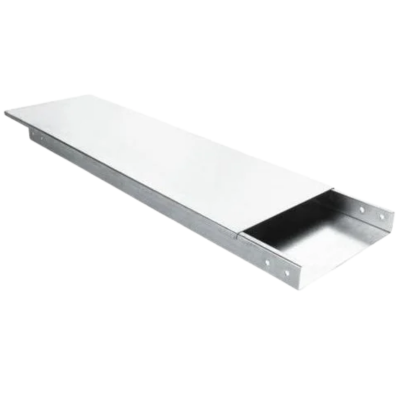
- Tray covers
- Brackets and supports
- Connectors and accessories
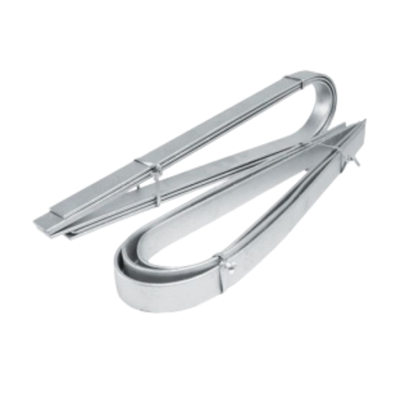
- Earthing components
The exact combination depends on the electrical design, cable arrangement, installation environment and structural requirements of the project.
Why Cable Support Systems Matter in Industrial Projects
Industrial facilities can contain extensive networks of power, control, instrumentation and communication cables. Without a properly planned support system, cable routes can become difficult to organize, inspect and maintain.
A well-designed support system can help:
- Maintain organized cable routing
- Provide mechanical support for cable installations
- Improve access for inspection and maintenance
- Support structured cable distribution
- Accommodate different cable routes and installation configurations
- Make future modifications easier to plan
For this reason, cable support should be considered during the electrical design stage rather than treated as an installation detail at the end of a project.
Junction Boxes for Industrial Electrical Connections
Junction boxes can form an important part of electrical infrastructure where cables or electrical connections need to be arranged within a suitable enclosure. They can help provide a structured location for selected electrical connections and cable transitions.
Junction boxes in Vadodara can be considered for manufacturing, industrial, commercial and infrastructure applications depending on the project’s electrical design and enclosure requirements.
Why Junction Boxes Are Important
Electrical systems can require cables to branch, transition or connect at different points throughout a facility. A suitable junction box can provide an organized location for such connections rather than leaving connections exposed or poorly arranged.
When selecting a junction box, project teams should consider the intended application, enclosure requirements, cable entry arrangements, environmental conditions and applicable electrical specifications.
The junction box should also be integrated with the overall cable routing system so that cable entry and exit points remain practical and accessible.
Wire Mesh Cable Trays for Flexible Cable Management
Wire mesh cable trays use a mesh-based construction to provide a lightweight and open cable support arrangement. Their open structure can make cable access and routing convenient for suitable installations.
Wire mesh cable tray in Vadodara can be considered for applications where an open support structure is appropriate for the cable types and installation conditions.
Benefits of Wire Mesh Cable Trays
- Open construction provides easy cable access
- Allows airflow around the cable route
- Can provide flexible cable routing options
- Offers convenient access during installation and maintenance
- Can be integrated with suitable cable support accessories
Wire mesh trays may be particularly useful where cable routing needs to change direction or where easy access to the cable arrangement is an important consideration. However, tray selection should always be based on cable loading, environmental exposure and project requirements.
Strut Channels for Cable and Electrical Support
Strut channels are structural support components that can be incorporated into suitable electrical and mechanical support arrangements. They can provide a framework for mounting and supporting various components in industrial installations.
For projects requiring strut channel in Vadodara, the appropriate profile and configuration should be selected according to the intended support application and structural requirements.
Applications of Strut Channels
Depending on the project design, strut channels can be used in support arrangements for cable trays, electrical equipment, conduits and other services. They can provide a modular approach to creating support structures and may be adapted to different installation configurations.
When designing a support system, engineers should consider the expected load, span, mounting method, environmental conditions and other structural factors. The support arrangement should be appropriately designed for the installation rather than relying solely on the tray or channel itself.
C-Channel for Structural Cable Support
C-channels can also form part of structural support systems used for electrical and industrial installations. Their profile can be incorporated into suitable support frameworks according to the requirements of the project.
C-channel in Vadodara can be considered where a suitable structural profile is required for supporting cable management systems or other electrical infrastructure.
As with other support components, selection should take into account the expected load, dimensions, installation arrangement and environmental conditions. Proper structural design is essential for maintaining the stability of the complete cable support system.
How Cable Trays and Support Channels Work Together
A cable tray system and its supporting structure should be treated as one coordinated installation. The tray provides the pathway for the cables, while structural components such as strut channels and C-channels can provide the framework needed to position and support the tray.
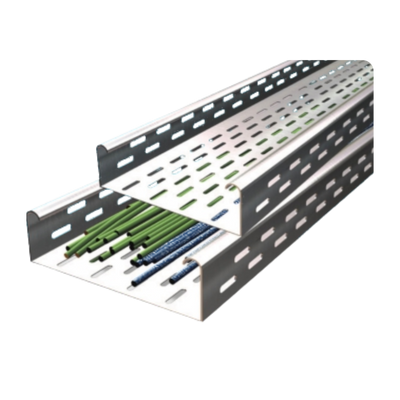
For example, an industrial installation may use a perforated cable tray as the cable pathway while incorporating suitable support channels and brackets beneath or alongside the tray. The exact arrangement depends on the project design.
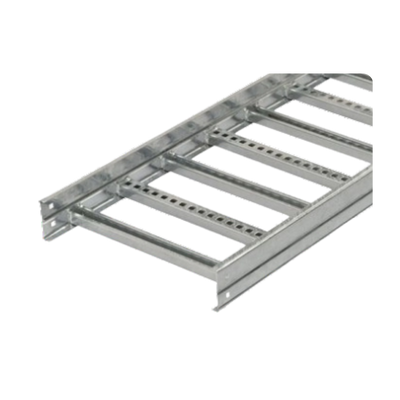
Similarly, a ladder cable tray may require a properly designed support arrangement based on its dimensions, cable loading and installation environment.
Coordinating these components during the planning stage can help avoid installation difficulties and ensure that the cable route has appropriate structural support.
Applications of Cable Support Systems in Vadodara
Different industries require different cable management approaches. A properly selected combination of trays, junction boxes and structural support products can be used across a variety of applications.
Manufacturing Facilities
Manufacturing facilities can have extensive electrical networks serving motors, machinery, control panels, automation systems and other equipment. Cable support systems can help organize these different routes and make them easier to access during maintenance.
Pharmaceutical Industries
Pharmaceutical facilities may require carefully planned electrical infrastructure due to their specialized operating environments. Cable support systems should be selected according to the facility’s electrical design, environmental requirements and applicable project specifications.
Chemical Processing Facilities
Chemical environments may present additional considerations related to moisture, chemicals and corrosion. Material selection and protective finishes should therefore be evaluated carefully before finalizing cable support components.
Commercial Buildings
Commercial projects may require organized routing for power, lighting, HVAC, communication and other building services. Cable trays and supporting structures can help maintain defined service routes while allowing maintenance teams better access.
Solar and Infrastructure Projects
Solar and infrastructure projects can involve long electrical cable routes and multiple connection points. A coordinated combination of cable trays, junction boxes and structural support components can help maintain organized routing across suitable installations.
For solar applications, project teams can also review Efra’s information on cable tray solutions for solar projects when planning cable management requirements.
Factors to Consider When Selecting Cable Support Systems
Selecting individual products without considering the complete installation can create compatibility and support challenges. Project teams should evaluate the entire cable routing system before selecting components.
1. Cable Type and Load
The number, size and weight of cables influence the required tray and support configuration. Power cables, control cables and communication cables may also have different routing requirements.
2. Installation Environment
Indoor and outdoor installations may require different material and protection considerations. Moisture, dust, chemicals, temperature and other environmental conditions should be evaluated before selecting the appropriate products.
3. Structural Requirements
Support channels, brackets and other structural components should be selected according to the expected load and installation arrangement. Proper support spacing and mounting should be determined as part of the engineering design.
4. Accessibility
Maintenance teams should be able to inspect and access cable routes where required. The selected tray and support arrangement should therefore allow practical access to cables and connection points.
5. Future Expansion
Industrial electrical systems can change as equipment and operational requirements evolve. Where practical, the support system should allow future cable additions or modifications without requiring major reconstruction.
Corrosion Protection for Industrial Cable Support Systems
Environmental exposure can affect the service performance of metal cable support components. Projects located in environments with moisture, chemicals or other corrosive conditions should consider suitable material and protective finish requirements.
GI products may be suitable for many applications, but the appropriate material and finish should be selected based on the actual installation environment. For projects requiring additional understanding of corrosion protection, Efra’s article on hot-dip galvanizing for cable tray systems discusses why protective finishes are an important consideration.
Material selection should also be coordinated with the overall electrical and structural design rather than considered independently for each component.
Safety and Standards for Cable Support Installations
Cable support systems form part of an electrical installation, so their design and installation should follow applicable project specifications, electrical requirements and safety practices.
The International Electrotechnical Commission (IEC) develops international standards for electrical and electronic technologies. Engineers and project teams can review applicable standards when developing specifications for electrical installations and related systems.
Installation and maintenance activities should also be performed using appropriate electrical safety procedures. General guidance from OSHA’s electrical safety resources can provide useful reference information, while local regulations, project specifications and qualified engineering practices should govern the actual installation.
Why Choose Efra Industries for Cable Support Solutions?
Efra Industries provides a range of products that can be incorporated into suitable industrial cable management and electrical support systems. Its product categories include junction boxes, wire mesh cable trays, strut channels, C-channels, cable trays, earthing strips and related accessories.
Having access to multiple product categories can help project teams evaluate cable routing and structural support requirements together. Instead of treating trays, junction boxes and support channels as completely separate components, they can be considered as parts of an integrated cable management system.
For businesses looking for cable support systems in Vadodara, Efra Industries can be considered for industrial cable management and electrical support requirements based on the specifications of the project.
Frequently Asked Questions
1. What are cable support systems?
Cable support systems consist of products used to route, organize and structurally support electrical cables. They can include cable trays, wire mesh trays, junction boxes, strut channels, C-channels, brackets and related accessories.
2. What is a junction box used for?
A junction box provides a suitable enclosure or location for selected cable connections, transitions and branching points within an electrical installation. Its specifications should match the intended application and environmental requirements.
3. What are wire mesh cable trays used for?
Wire mesh cable trays provide an open cable support structure that can offer easy cable access and ventilation. They can be considered for suitable industrial and commercial cable routing applications.
4. What is a strut channel used for?
Strut channels can be used to create structural support frameworks for cable trays, electrical equipment, conduits and other services, depending on the project design.
5. What is the difference between a strut channel and a C-channel?
Both can be used as structural support components, but their profiles, configurations and applications may differ. The appropriate option should be selected according to the load, mounting arrangement and engineering requirements.
6. How do I choose a cable support system in Vadodara?
Consider the cable type and load, installation environment, tray configuration, structural support requirements, accessibility, corrosion exposure and potential future expansion. The complete system should be evaluated rather than selecting individual components in isolation.
Get Reliable Cable Support Solutions for Your Project
A well-planned cable support system can help create an organized, accessible and practical electrical installation. Junction boxes, wire mesh cable trays, strut channels and C-channels each have different roles and can be combined with suitable cable trays and accessories according to project requirements.
If you are planning an industrial, pharmaceutical, chemical, commercial, infrastructure or solar project and need cable support systems in Vadodara, Efra Industries offers a range of cable management and electrical support products to help address different installation requirements.
Request a quotation from Efra Industries to discuss your cable tray, junction box and electrical support requirements.