
Electrical infrastructure is an essential part of modern industrial, manufacturing, solar and infrastructure projects. As facilities become more automated and electrically connected, the need for organized cable routing and reliable cable support also increases. A properly designed cable management system can help keep power, control, instrumentation and communication cables organized while providing practical access for inspection and maintenance.
For businesses planning industrial cable tray projects in Vadodara, selecting the right tray type, material, support system and accessories is an important part of electrical planning. Manufacturing plants, pharmaceutical facilities, chemical industries, solar installations, commercial developments and infrastructure projects can all have different cable management requirements.
Efra Industries provides cable tray and electrical support solutions that can be considered for a range of industrial and infrastructure applications, including perforated, ladder, raceway and wire mesh cable management systems.
Why Cable Tray Systems Are Important for Industrial Projects
Electrical cables need proper mechanical support and organized routing throughout a facility. Installing cables without a structured support system can make inspection, maintenance and future modifications more difficult.
A properly planned cable tray system can help:
- Organize multiple electrical cable routes
- Provide mechanical support for cables
- Improve accessibility during maintenance
- Separate and manage different cable routes where required
- Support future cable additions and modifications
- Create a cleaner and more structured electrical installation
The selection of a cable tray should be based on cable type, cable quantity, cable weight, environmental conditions, installation arrangement and project specifications. A tray that works well for one application may not necessarily be appropriate for another.
Cable Tray Requirements for Manufacturing Projects in Vadodara
Manufacturing facilities can contain electrical systems serving machinery, motors, automation equipment, control panels, lighting and other plant services. These systems can result in multiple cable routes across production and utility areas.
For such installations, industrial cable trays in Vadodara can provide defined pathways for electrical cables while allowing maintenance teams to access the cable routes when required.
Depending on the cable arrangement and installation conditions, projects can consider options such as perforated cable trays, ladder cable trays or raceway systems.
Perforated Cable Trays for Manufacturing Facilities
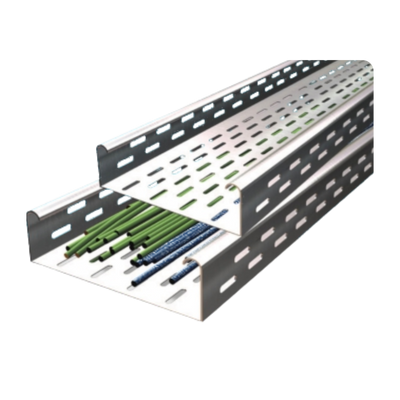
Perforated cable trays feature openings in the tray base that can provide ventilation and convenient cable fastening points. They can be considered for general industrial cable routing where continuous cable support and accessibility are required.
The appropriate width, height, material and support arrangement should be selected according to the project’s cable load and installation requirements.
Ladder Cable Trays for Larger Cable Routes
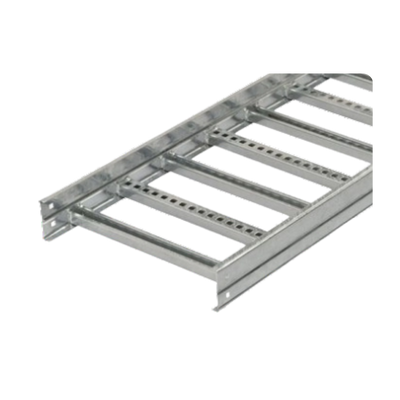
Ladder cable trays consist of side rails connected by cross rungs. Their open structure provides cable access and can be considered for installations where larger cable arrangements or an open support configuration is suitable.
The cable loading, support spacing and installation environment should be evaluated before selecting a ladder tray for a manufacturing project.
Cable Tray Systems for Pharmaceutical and Chemical Industries
Pharmaceutical and chemical facilities may have specific environmental and electrical requirements. Cable management systems in these facilities should be selected with consideration for moisture, chemicals, temperature, cleanliness requirements and other site conditions.
Material selection and protective finishes can be particularly important where cable support components may be exposed to challenging environments.
For projects where corrosion protection is an important consideration, Efra’s article on hot-dip galvanizing for corrosion protection provides useful background on the role of protective finishes in cable tray applications.
GI cable trays may be suitable for many industrial installations, but the final material and finish should always be selected according to the project’s actual environmental and engineering requirements.
Cable Tray Solutions for Solar Projects in Vadodara
Solar installations require organized routing for electrical cables connecting different parts of the power system. These routes may extend across equipment areas, rooftops, utility sections and other parts of a solar installation.
Cable tray for solar projects in Vadodara can provide mechanical support and structured routing where appropriate for the project’s design. The selected system should account for cable type, installation location, environmental exposure and support requirements.
Open tray designs can provide accessibility for cable installation and maintenance, while covered arrangements may be considered where additional protection is required by the project conditions.
Project teams planning solar cable management can also review Efra’s information on cable tray applications for solar projects to understand some of the considerations involved in designing cable routes for renewable-energy installations.
Important Considerations for Solar Cable Management
- Exposure to outdoor environmental conditions
- Cable type and quantity
- Tray dimensions and loading
- Support structure and mounting method
- Corrosion protection requirements
- Accessibility for inspection and maintenance
- Potential future expansion
Solar projects can have long cable routes, making proper planning particularly important. The tray system should be coordinated with the overall electrical and structural design.
GI Cable Trays for Industrial and Infrastructure Applications
GI cable trays can be considered for various industrial and infrastructure installations where galvanized steel and its protective properties are suitable for the operating environment.
When selecting a GI cable tray in Vadodara, project teams should evaluate the environment in which the tray will be installed. Indoor, outdoor, humid and chemically exposed environments may have different material and finish requirements.
It is also important to consider the cable loading and structural requirements. Tray dimensions should provide adequate space for the planned cable arrangement while the supporting structure should be designed to carry the expected load.
For broader guidance on electrical and electronic technologies, project teams can refer to relevant resources and standards published by the International Electrotechnical Commission (IEC). Applicable standards should be identified according to the specific project and installation requirements.
Cable Tray Accessories for Complete Installation
A cable tray system generally requires more than the main tray section. Depending on the installation, accessories and supporting components may be needed to create a complete cable routing system.
These can include connectors, supports, brackets, covers and other components required to join, mount or protect tray sections.
Efra provides dedicated perforated cable tray accessories, ladder cable tray accessories and raceway cable tray accessories for suitable cable management applications.
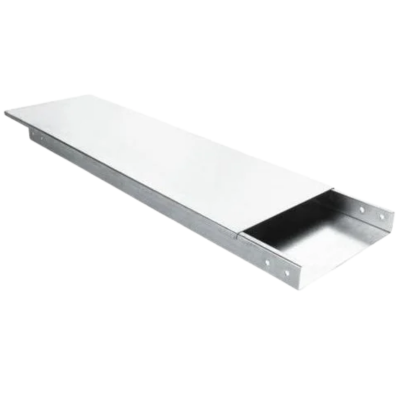
Where additional protection is required, cable tray covers can also be considered according to the installation environment and project specifications.
Earthing and Electrical Safety Considerations
Proper electrical safety planning is an important part of industrial infrastructure. Cable management systems should be coordinated with the overall electrical design, including applicable grounding and earthing requirements.
Depending on the project design, earthing strips and other appropriate components may form part of the electrical installation.
Project teams should follow applicable electrical standards, engineering specifications and local requirements when designing and installing cable management and earthing systems. General electrical safety information is also available through OSHA’s electrical safety resources, which can serve as a broader reference for electrical safety practices.
The exact earthing and bonding arrangement should always be designed by qualified professionals according to the project’s electrical requirements.
Cable Support Systems for Infrastructure Projects
Infrastructure projects can include commercial buildings, utility facilities, transportation-related developments, institutional projects and other large electrical installations. Such projects may require cable routes across multiple areas with different environmental and structural conditions.
A coordinated cable management system can help create defined routes for electrical and communication cables while providing access for maintenance teams.
In addition to cable trays, infrastructure projects may require structural support components such as strut channels and C-channels. These components can form part of suitable support frameworks depending on the engineering design.
For installations requiring cable connection or transition points, junction boxes may also be incorporated into the electrical system according to the project requirements.
How to Choose the Right Cable Tray for Your Vadodara Project
Selecting the appropriate cable tray should be based on a systematic evaluation of the installation rather than simply choosing the most commonly used tray type.
1. Identify the Application
Determine whether the cable tray will be used in a manufacturing plant, pharmaceutical facility, chemical installation, solar project, commercial building or infrastructure development.
2. Evaluate Cable Requirements
Consider the number, size, weight and type of cables that will be routed through the tray. Power, control, instrumentation and communication cables may require different routing considerations.
3. Assess Environmental Conditions
Review exposure to moisture, chemicals, dust, temperature changes and outdoor conditions. These factors can influence material and protective finish selection.
4. Select the Tray Type
Compare perforated, ladder, raceway and wire mesh options according to the cable arrangement and project requirements. Efra’s cable tray types guide can also help project teams understand the general differences between major tray configurations.
5. Plan the Supporting Structure
The tray should be supported through an appropriately designed structural arrangement. Support channels, brackets and other components should be selected according to the tray dimensions, expected load and installation configuration.
6. Consider Future Expansion
Industrial and infrastructure projects can evolve over time. Where practical, the cable management design should allow for future cable additions and modifications.
Installation and Maintenance Considerations
Proper installation is important for maintaining the performance and accessibility of a cable tray system. The tray should be installed according to the approved engineering design, with appropriate supports and connections.
Cables should be arranged in a structured manner and should not exceed the applicable tray loading requirements. Inspection and maintenance access should also be considered during installation.
Regular inspection can help identify issues such as damaged components, loose connections, corrosion or changes to the cable arrangement. Maintenance requirements will depend on the installation environment and project specifications.
Why Choose Efra Industries for Cable Tray Solutions?
Efra Industries provides a broad range of cable management and electrical support products for industrial and infrastructure applications. Its range includes perforated, ladder and raceway cable trays, wire mesh cable trays, cable tray covers, junction boxes, strut channels, C-channels, earthing strips and related accessories.
Having access to different product categories can help project teams evaluate cable routing, structural support and electrical infrastructure requirements together. The appropriate products can then be selected according to the project’s technical specifications and operating environment.
For businesses looking for a cable tray supplier in Vadodara, selecting a manufacturer with a range of cable management and support products can simplify the process of developing a coordinated installation.
Frequently Asked Questions
1. What type of cable tray is suitable for solar projects?
The appropriate cable tray depends on the solar project’s cable arrangement, installation environment, support requirements and engineering specifications. Perforated, ladder and other suitable tray configurations may be considered.
2. Are GI cable trays suitable for industrial projects?
GI cable trays can be suitable for many industrial applications where galvanized steel meets the project’s structural and environmental requirements. The appropriate material and finish should be selected according to site conditions.
3. What cable tray is commonly used for manufacturing facilities?
Manufacturing projects can use different tray types depending on their cable routing requirements. Perforated and ladder cable trays are among the options that can be evaluated for suitable industrial installations.
4. Why are cable tray accessories important?
Accessories such as connectors, supports, brackets and covers help complete the cable tray installation. They allow tray sections to be joined, mounted and configured according to the project layout.
5. What should I consider when selecting a cable tray supplier in Vadodara?
Consider the supplier’s product range, available tray configurations, material options, accessories and ability to meet the technical requirements of your project. The complete cable management system should be evaluated rather than only the tray itself.
6. Can cable trays be used for infrastructure projects?
Yes. Cable trays can be incorporated into suitable infrastructure and commercial projects to provide organized pathways and mechanical support for electrical cables.
Get the Right Cable Tray Solution for Your Vadodara Project
Whether you are developing a manufacturing facility, solar installation, pharmaceutical plant, chemical project or infrastructure development, proper cable management can contribute to a more organized and accessible electrical system.
From GI cable trays and perforated trays to ladder, raceway, wire mesh systems, accessories, earthing strips and structural supports, the right combination should be selected according to the project’s cable requirements and installation environment.
If you are looking for reliable cable tray solutions in Vadodara, connect with Efra Industries to discuss your project requirements and explore suitable cable management products.
Request a quotation from Efra Industries for your cable tray, accessories and electrical support requirements.