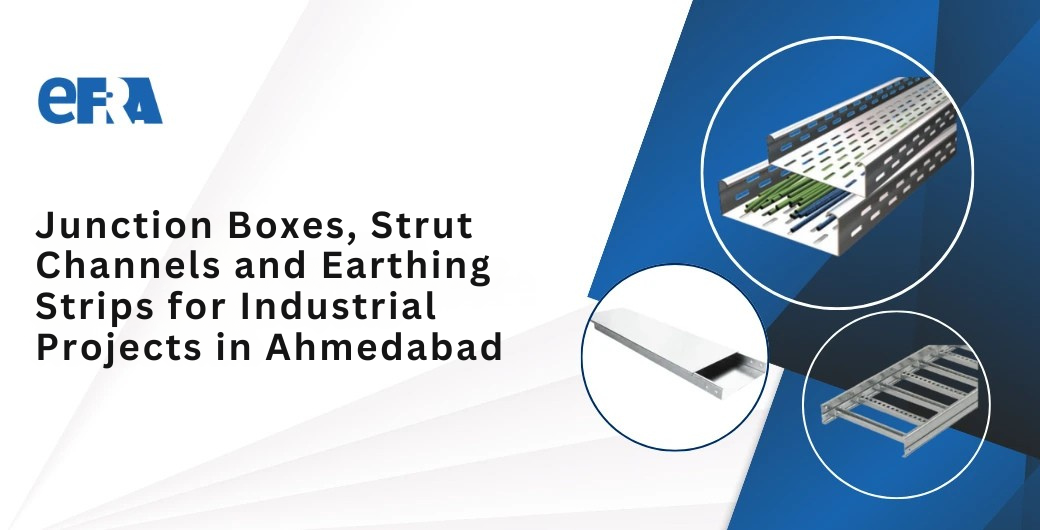
Industrial projects depend on more than machinery, cables and electrical panels. They also require reliable components that protect electrical connections, support installations and help maintain electrical safety. For manufacturing facilities, warehouses, commercial buildings and infrastructure developments in Ahmedabad, selecting suitable junction boxes, strut channels, C channels and earthing strips is an important part of project planning.
Ahmedabad’s industrial ecosystem includes engineering units, textile facilities, pharmaceutical operations, warehouses and manufacturing plants. Each facility may have different requirements for cable routing, equipment mounting, electrical connections and grounding. Choosing the right components can help improve installation quality, simplify maintenance and support the long-term reliability of electrical infrastructure.
When comparing Junction Box Manufacturers in Ahmedabad, project teams should consider material quality, dimensions, environmental conditions, installation requirements and compatibility with the overall electrical system. The same careful approach applies when sourcing support channels and earthing components. This guide explains their functions, common applications and the factors to evaluate before purchasing them.
1. Junction Boxes: Protecting Electrical Connections
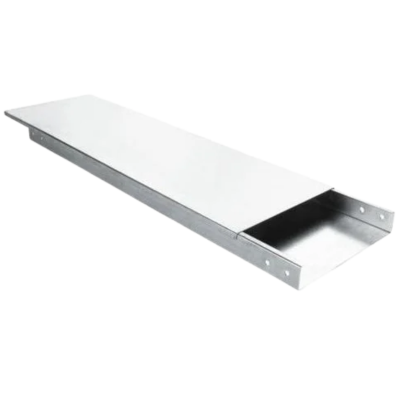
A junction box is an enclosure used to house and protect electrical wire connections, cable joints or related electrical components. It helps keep connections organised and provides a defined enclosure within an electrical installation. Depending on the design and application, junction boxes may be installed in industrial buildings, utility areas, control systems and equipment installations.
Common applications of junction boxes
- Manufacturing facilities: Organising electrical connections around production equipment and machinery.
- Commercial buildings: Housing suitable electrical connections within building services installations.
- Industrial control systems: Providing an enclosure for connections associated with sensors, instruments or control equipment, where the box is suitable for the application.
- Utility and infrastructure projects: Supporting organised electrical installations in designated service areas.
- Cable distribution points: Providing an enclosure where electrical circuits branch or connect, subject to the system design.
How to select a suitable junction box
Before contacting suppliers, identify the installation environment and the enclosure’s intended purpose. Consider the required dimensions, number of cable entries, mounting arrangement, material and access requirements. Outdoor installations or locations exposed to dust, moisture or corrosive conditions may need a more suitable enclosure design than clean indoor environments.
Where protection against water or dust is required, verify the enclosure’s specified ingress protection rating and ensure that cable glands, covers and installation methods maintain the intended protection. Electrical safety requirements should be assessed by a qualified professional.
Businesses comparing Junction Box Manufacturers in Ahmedabad should also request relevant product specifications and confirm whether the offered enclosure matches the project’s drawings and operating conditions.
Explore Efra Industries’ junction box solutions to review the available product category.
2. Strut Channels: Flexible Support for Industrial Installations
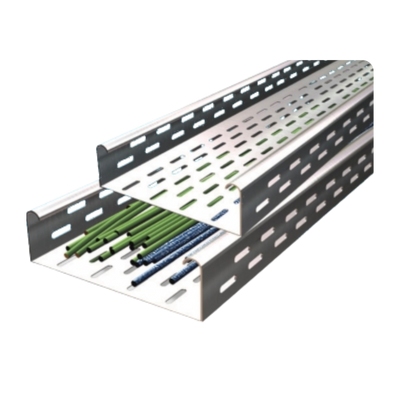
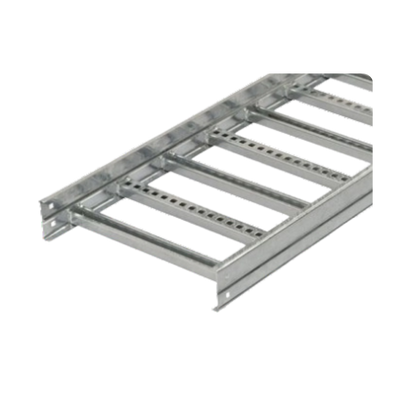
Strut channels are structural support components commonly used to mount, suspend and organise services in industrial and commercial environments. When combined with compatible brackets, nuts, clamps and fasteners, they can form adjustable support arrangements for cable trays, conduits, pipes and selected equipment.
Their modular design can make installation and future modifications more convenient. Instead of fabricating a completely new support arrangement for every change, installers may be able to reposition or add compatible fittings where the system design permits.
Where are strut channels used?
- Cable tray support: Supporting suitable cable management routes along walls, ceilings or structural frameworks.
- Electrical service installations: Providing mounting arrangements for conduits and related services.
- Equipment mounting: Creating support frames for compatible electrical and mechanical components.
- Industrial utility areas: Helping organise multiple services within designated installation spaces.
- Maintenance and expansion projects: Allowing adjustments when additional services or revised routes are required.
Factors to consider when choosing strut channels
The correct channel depends on the intended load, span, mounting method, support spacing and installation environment. Buyers should check the channel dimensions, material thickness, finish and compatibility with the required accessories. Load capacity should be based on the manufacturer’s technical information and the actual support configuration rather than appearance alone.
Corrosion resistance is another consideration. A finish suitable for an indoor, dry installation may not be appropriate for a damp, chemically exposed or outdoor environment. Where channels will support cable trays or other services, the complete arrangement—including brackets, fasteners, anchors and the supporting structure—must be evaluated.
When evaluating Strut Channel Manufacturers in Ahmedabad, ask for product specifications, available finishes and guidance on compatible accessories. Clear documentation helps contractors select components that align with project requirements.
View Efra Industries’ strut channel product category for more information.
3. C Channels: Structural Support for Industrial Applications
C channels are structural sections with a C-shaped profile. Depending on their dimensions, material and design, they can be used in support frames, equipment mounting arrangements and other applications where a suitable structural section is required. In electrical installations, C channels may form part of a support arrangement for cable trays and associated services.
Although C channels and strut channels may appear similar in some installations, they should not automatically be treated as interchangeable. Their profiles, connection methods, load characteristics and intended applications can differ. The right selection depends on the engineering design and the requirements of the installation.
Applications of C channels
- Support frameworks for selected industrial installations.
- Structural mounting arrangements for equipment and services.
- Frames and brackets where the specified profile is appropriate.
- Support structures associated with cable management systems.
- Industrial fabrication and infrastructure projects requiring suitable channel sections.
What should buyers check?
Before purchasing, confirm the channel’s dimensions, thickness, material grade, finish and required length. Also consider the load, span, connection details and environmental conditions. Where the channel is part of a load-bearing support system, the design should be checked by a competent engineer.
Companies searching for C Channel Suppliers in Ahmedabad should compare technical specifications rather than relying only on price. A lower-priced section may not meet the project’s dimensional, material or structural requirements. Consistency between the supplied product and approved drawings is especially important for projects with multiple installation locations.
Explore the C channel product range to learn more about this category.
4. Earthing Strips: Supporting Electrical Grounding Systems
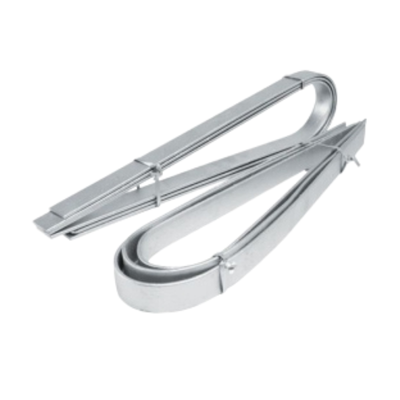
Earthing is an essential consideration in electrical installations. An earthing strip is a conductive strip used as part of an appropriately designed grounding or bonding system. Depending on the electrical design, it may connect designated components or form part of a grounding network intended to provide a suitable path for fault current.
Correctly designed and installed earthing arrangements help support electrical safety. However, an earthing strip by itself does not guarantee a safe installation. The complete system must be designed, installed, inspected and tested according to applicable requirements.
Where are earthing strips used?
- Industrial electrical installations and distribution systems.
- Grounding and bonding arrangements for suitable electrical equipment.
- Manufacturing facilities and utility infrastructure.
- Electrical rooms and designated service areas.
- Projects where the approved grounding design specifies conductive strip connections.
How to choose an earthing strip
Selection should be based on the grounding design, required cross-sectional dimensions, material, conductivity, installation method and environmental exposure. The strip must be suitable for the electrical duty and installation conditions specified by the responsible designer.
Corrosion protection and connection quality also matter. Connections should be made using approved methods and compatible components. In environments where moisture, chemicals or other corrosive influences are present, the material and protective finish should be selected accordingly.
When comparing Earthing Strip Manufacturers in Ahmedabad, request the relevant material details and dimensional specifications. Confirm that the supplied strip matches the approved drawings and applicable electrical requirements. Installation and verification should be performed by qualified personnel.
Visit Efra Industries’ earthing strip product page to explore this product category.
5. How These Components Work Together
Junction boxes, strut channels, C channels and earthing strips perform different functions, but they can all form part of a coordinated industrial electrical installation. A junction box houses suitable electrical connections, while channels can support cable trays, conduits or selected equipment. An earthing strip may form part of the grounding and bonding system where required by the electrical design.
For example, a manufacturing facility may need cable routes between a distribution panel and production equipment. Suitable support channels can help maintain the planned cable route, junction boxes can house designated connections, and the grounding system can provide the required electrical bonding and earthing arrangements.
These components should be selected as part of the overall project rather than as unrelated purchases. Coordination between the electrical contractor, design engineer, installation team and procurement department can reduce mismatches and avoidable installation changes.
6. Tips for Sourcing Industrial Components in Ahmedabad
Before placing an order, prepare a clear list of the products, dimensions, quantities and specifications required for the project. Share relevant drawings or schedules with prospective suppliers so they can understand the intended application.
- Verify product specifications: Match dimensions, material and finish to the approved requirements.
- Check application suitability: Consider indoor or outdoor use, moisture, dust and corrosive exposure.
- Review compatibility: Ensure channels, brackets, fasteners, enclosures and other accessories suit the installation.
- Request technical documentation: Obtain product data and applicable test or conformity documents where required.
- Confirm quantities and delivery: Check availability, lead times, packaging and delivery arrangements before committing to a schedule.
- Compare quotations carefully: Evaluate specification compliance, quality, service and total project requirements—not just the unit price.
For standards-related information, consult the International Electrotechnical Commission (IEC) standards resource. The applicable standards depend on the product and installation; project teams should identify the relevant requirements rather than assume that one standard covers every component.
7. Why Product Selection and Planning Matter
Choosing suitable electrical enclosures, support channels and earthing components can help keep industrial installations organised and maintainable. Correctly specified products can also reduce the likelihood of compatibility problems, unnecessary replacement and delays during installation.
For Ahmedabad projects, procurement teams should establish the technical requirements early, coordinate them with the electrical design and verify the products before installation. Where a project has unusual loads, demanding environmental conditions or specialised safety requirements, obtain advice from the relevant design professional and confirm the manufacturer’s recommendations.
Efra Industries offers product categories covering industrial cable management and related products. Reviewing the available range can help project teams identify relevant categories and discuss their requirements with the supplier.
Frequently Asked Questions (FAQs)
1. What should I look for in junction box manufacturers in Ahmedabad?
Check enclosure dimensions, material, cable-entry options, mounting requirements, environmental suitability and any specified ingress protection rating. Request technical details and confirm that the selected box matches the project’s electrical design.
2. What are strut channels used for in industrial projects?
Strut channels are used with compatible fittings to create support and mounting arrangements for suitable cable trays, conduits, pipes and equipment. Their suitability depends on the load, span, mounting configuration and installation environment.
3. What is the difference between a C channel and a strut channel?
A C channel is a structural section with a C-shaped profile, while a strut channel is commonly designed as part of a modular support system with compatible fittings. Their dimensions, connection methods and load performance may differ, so they should be selected according to the application.
4. How do I select earthing strips for an industrial facility?
Follow the approved grounding design and check the required material, dimensions, conductivity, connection method and corrosion protection. A qualified professional should verify the complete earthing system against applicable requirements.
5. Can one supplier provide junction boxes, channels and earthing strips?
Some suppliers offer several industrial electrical and cable management product categories. Confirm the supplier’s current range, specifications, quantities and delivery capability before placing an order.
Get in Touch for Your Industrial Project Requirements
Planning an industrial installation in Ahmedabad? Selecting suitable junction boxes, strut channels, C channels and earthing strips starts with understanding your project’s technical requirements. Compare specifications, verify compatibility and choose components that align with the approved design.
Explore Efra Industries’ product range or contact the team to discuss your requirements and request product information for your next industrial project.