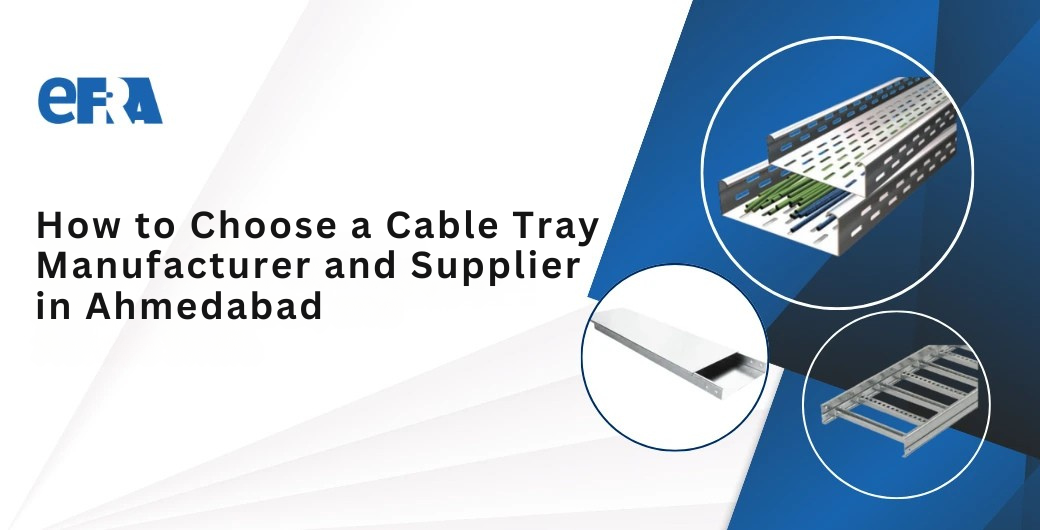
Choosing the right cable tray system is an important step in planning a safe, organised and efficient electrical installation. Whether you are developing a manufacturing facility, commercial building, warehouse, solar project or industrial plant, the cable support system must suit your installation requirements, operating environment and future expansion plans. Selecting a suitable supplier can also help simplify procurement and coordination during project execution.
For businesses searching for Cable Tray Manufacturers in Ahmedabad, the decision should involve more than comparing prices. Material quality, tray design, dimensions, load requirements, corrosion protection, accessories and technical support all deserve careful consideration. A well-selected cable tray system helps organise electrical cables, supports maintenance activities and makes better use of available installation space.
Ahmedabad and its surrounding industrial areas serve a wide range of manufacturing, engineering, infrastructure and commercial projects. As project requirements vary, buyers need to identify a supplier who understands their specifications and can provide suitable cable management products. This guide explains the key factors to consider before choosing a cable tray manufacturer or supplier for your next project.
1. Understand Your Project’s Cable Management Requirements
Before contacting Cable Tray Suppliers in Ahmedabad, prepare a clear understanding of your project’s electrical cable management needs. The appropriate tray depends on the type and quantity of cables, installation layout, environmental conditions and available support structure.
Consider the following questions before requesting a quotation:
- What types of cables will be installed, including power, control or instrumentation cables?
- Will the cable trays be installed indoors, outdoors or in an industrial environment?
- What cable quantity, approximate weight and future expansion allowance must the system accommodate?
- Are there space limitations, directional changes or height restrictions along the cable route?
- Will the installation require covers, bends, connectors, brackets or other accessories?
Having these details ready makes it easier to compare suppliers on a like-for-like basis. It also reduces the possibility of selecting a tray that does not suit the installation conditions.
2. Select the Right Type of Cable Tray
Different cable tray designs serve different purposes. Understanding their characteristics helps buyers choose a suitable system rather than relying on a single product type for every application.
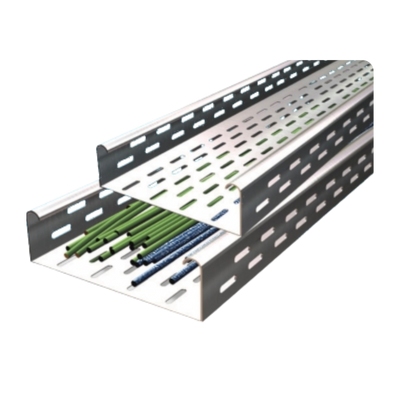
Perforated Cable Tray
A perforated cable tray features openings along its base that can support cable routing and ventilation. It is commonly considered for industrial electrical installations where cable organisation, accessibility and practical cable support are important. The appropriate tray dimensions and load capacity should be selected according to the cable arrangement and installation design.
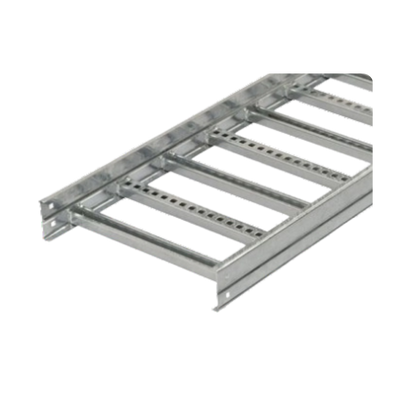
Ladder Cable Tray
A ladder cable tray has two side rails connected by rungs. Its open construction makes it a useful option for many installations involving larger cable runs and applications where ventilation and cable access are priorities. Buyers should evaluate cable spacing, support intervals, loading conditions and installation requirements before finalising the design.
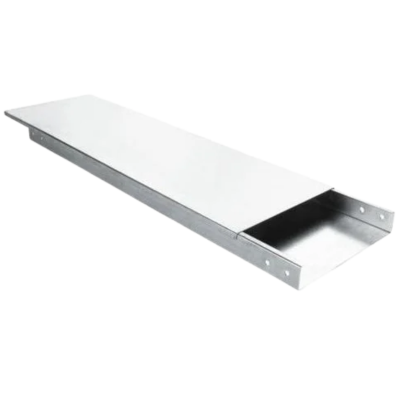
Raceway Cable Tray
A raceway cable tray can be suitable for installations that require a more enclosed or channel-like cable routing arrangement, depending on the product design. Buyers should check the available configuration, dimensions, cover compatibility and accessibility requirements before selecting a system.
Wire Mesh Cable Tray
A wire mesh cable tray uses a mesh construction and may be considered for applications where flexible routing and convenient cable access are useful. Confirm that the selected product is appropriate for the cable types, loads and environmental conditions of the project.
When comparing options, ask suppliers to explain the differences between the available designs and recommend a suitable configuration based on your actual requirements.
3. Check Material Quality and Corrosion Protection
Material selection has a direct bearing on the suitability and service life of a cable tray system. The correct choice depends on the installation environment, expected exposure, maintenance conditions and project specifications.
Galvanised steel is one option commonly considered for cable management installations. However, the type of galvanising and the required level of corrosion protection should be evaluated according to the application.
When reviewing quotations from GI Cable Tray Suppliers in Ahmedabad, ask for details about the material grade, sheet thickness, finish and applicable quality requirements. Do not assume that all galvanised products offer identical protection. Pre-galvanised and hot-dip galvanised products have different manufacturing and coating characteristics, so the appropriate option should be selected for the intended environment.
For demanding outdoor or industrial installations, consider exposure to moisture, chemicals, dust and other potentially corrosive conditions. Where specific coating or material standards apply, request the relevant product documentation and confirm that the proposed system meets the project’s requirements.
4. Evaluate Load Capacity and Tray Dimensions
A cable tray must be suitable for the total load it will carry. Choosing a tray based only on its width or appearance can overlook important structural considerations.
Before approving a product, discuss the following details with the supplier:
- Tray width and depth: These should accommodate the planned cable arrangement and installation clearances.
- Material thickness: Confirm that the proposed thickness is appropriate for the specified application.
- Support spacing: Tray loading performance depends partly on the distance between supports.
- Total cable load: Consider cable weight and the planned arrangement, including any anticipated additions.
- Fittings and connections: Bends, joints, supports and other components must be compatible with the system.
Ask for applicable load tables or technical data for the exact tray configuration. The project engineer should verify the design against the intended loading conditions, support arrangement and relevant safety requirements. Avoid relying on general capacity claims that do not identify the product configuration and test conditions.
5. Review Product Range and Accessory Availability
A supplier with access to the relevant cable management components can make procurement and installation coordination easier. Instead of evaluating only the main tray, check whether the required fittings and supporting products are also available.
Depending on the project, these may include:
- Cable tray covers for applications where additional cable protection is required.
- Perforated cable tray accessories for compatible perforated tray installations.
- Ladder cable tray accessories for ladder tray systems.
- Raceway cable tray accessories for compatible raceway installations.
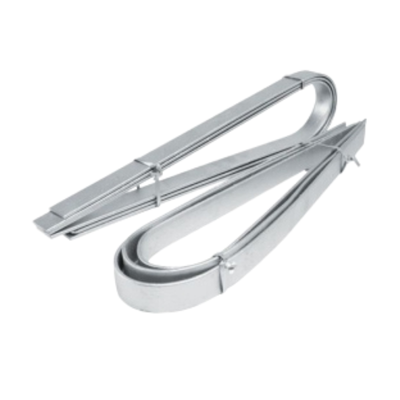
- Spare supplies and related components needed for installation or maintenance.
Compatibility is essential. Confirm that fittings, connectors, covers and support components match the selected tray dimensions and design. A complete bill of materials can help identify missing items before procurement and reduce avoidable installation delays.
6. Assess the Manufacturer’s Quality and Technical Support
Price is an important consideration, but it should not be the only factor when selecting a supplier. Product consistency, clear documentation and responsive communication can also influence the overall procurement experience.
Before placing an order, ask potential suppliers about their quality control procedures, product specifications and inspection documentation. Where relevant to the project, request details of applicable testing, material traceability and compliance with the specified standards.
It is also useful to evaluate how clearly a supplier responds to technical questions. Can they help clarify product dimensions, finishes and compatible accessories? Can they review your bill of materials and identify specification details that need confirmation? Clear communication at this stage can make coordination between procurement teams, contractors and project engineers more straightforward.
For technical reference, buyers can consult the International Electrotechnical Commission (IEC) standards resources and identify the standards relevant to their application. Always verify the applicable edition and project requirements rather than assuming that a product complies with a standard simply because it is used in an electrical installation.
7. Compare Quotations Beyond the Initial Price
When comparing Cable Tray Manufacturers in Ahmedabad and nearby suppliers, request quotations based on the same technical specifications. Differences in material, dimensions, finish, fittings or quantities can make direct price comparisons misleading.
A useful quotation review should cover:
- Product type, dimensions, material and finish.
- Required quantities and the unit of measurement.
- Accessories, supports, covers and connectors included in the offer.
- Applicable taxes, packing, freight and other stated charges.
- Delivery schedule and order fulfilment terms.
- Warranty terms, where offered, and the process for handling discrepancies.
Also clarify whether the quotation includes all required components or only the main cable trays. A lower initial price may not represent better value if essential fittings are excluded or the specification differs from the project requirement. A consistent comparison helps procurement teams make informed decisions without compromising technical suitability.
8. Consider Project Coordination and Future Expansion
Industrial cable management requirements may change as equipment is added, production layouts are modified or facilities expand. Selecting a cable tray system with the installation layout and potential future needs in mind can help make subsequent modifications easier to plan.
Review the cable route, support locations, access points and areas where additional capacity may be needed. Confirm that the proposed tray design can be integrated with the relevant electrical and structural arrangements. Any future expansion allowance should be established by the project design team rather than assumed from the tray’s physical dimensions alone.
For projects across Ahmedabad and surrounding industrial locations, communicate the required quantities, delivery destination and project schedule early in the procurement process. This helps suppliers prepare more accurate quotations and clarify any constraints before the order is confirmed.
Why Choose Efra Industries for Cable Management Requirements?
Efra Industries provides a range of cable management and related industrial electrical products through its product portfolio. Buyers can explore the available cable tray and electrical product range to identify options relevant to their requirements.
Whether your project involves perforated trays, ladder trays, raceway systems, covers or accessories, start by defining the required specifications and quantities. Share your application details so the relevant product options and quotation requirements can be reviewed before procurement.
For enquiries, visit the Efra Industries contact page or submit a request through the website’s quotation facilities. Confirm product availability, specifications, delivery terms and any project-specific requirements directly with the company before placing an order.
Frequently Asked Questions (FAQs)
1. How do I choose the right cable tray manufacturer in Ahmedabad?
Compare product specifications, material quality, corrosion protection, load data, accessory compatibility, documentation and quotation terms. Choose a supplier whose proposed products meet your project’s technical requirements.
2. What should I check when comparing cable tray suppliers in Ahmedabad?
Review tray type, dimensions, material thickness, finish, load requirements, included accessories, delivery terms and applicable quality documentation. Ensure that all suppliers quote against the same specifications.
3. What is the difference between perforated and ladder cable trays?
Perforated cable trays have openings along their base, while ladder trays have side rails connected by rungs. The appropriate choice depends on cable types, ventilation, support requirements, installation conditions and the project design.
4. What should I ask GI cable tray suppliers in Ahmedabad?
Ask about the steel specification, coating or galvanising method, dimensions, material thickness, load data and relevant technical documentation. Confirm that the proposed finish is suitable for the intended installation environment.
5. How can I obtain a quotation for cable trays and accessories?
Prepare a list of tray types, dimensions, quantities, finishes, fittings and delivery requirements. Contact Efra Industries through its website to discuss your requirements and request a quotation based on the specified products.
Get in Touch with Efra Industries
Choosing the right cable tray system begins with understanding your application and comparing suppliers on technical suitability, quality, compatibility and overall value. If you are evaluating cable tray options for an industrial, commercial or infrastructure project in Ahmedabad, prepare your specifications and accessory requirements before requesting a quotation.
Contact Efra Industries to enquire about cable trays, related products and project requirements. Share your product specifications and quantities to help establish the appropriate next steps for your procurement process.