Industrial projects in Mumbai require carefully planned electrical and cable management systems. From manufacturing facilities and warehouses to commercial infrastructure, data centres, process industries, and large-scale construction projects, cables must be routed safely, systematically, and efficiently. Choosing the right cable tray for industrial projects in Mumbai is therefore an important part of electrical infrastructure planning.
A suitable cable tray system helps organize power, control, instrumentation, and communication cables while supporting proper installation and future maintenance. However, selecting the right tray is not simply a matter of choosing the most affordable option. The cable type, load, installation environment, corrosion exposure, available space, support arrangement, and project requirements all need to be considered.
As industrial development continues across Mumbai and the wider Maharashtra region, businesses and project contractors need reliable cable management solutions that can perform effectively in demanding environments. A professional cable tray manufacturer in Mumbai can help project teams select suitable products based on technical and application requirements.
Why Cable Tray Selection Matters for Mumbai Industrial Projects
Industrial electrical systems often include a large number of cables installed over long distances. Without a properly planned cable management system, cables can become difficult to identify, maintain, expand, or protect. Poor cable routing can also create installation challenges and increase the time required for future maintenance.
Industrial areas around Mumbai and Maharashtra include manufacturing units, engineering facilities, warehouses, commercial buildings, infrastructure projects, and other facilities that require organized electrical systems. The Maharashtra Industrial Development Corporation (MIDC) develops and supports industrial infrastructure across the state, making efficient electrical and cable management an important consideration for industrial facilities.
A properly selected cable tray system can help provide:
- Organized routing of electrical and communication cables
- Better accessibility for inspection and maintenance
- Improved use of available installation space
- Suitable support for different cable loads
- Better separation and arrangement of cable systems
- Flexibility for future cable additions and modifications
1. Understand the Type and Quantity of Cables
The first step in selecting a cable tray system is understanding the cables that will be installed. Industrial projects may use power cables, control cables, instrumentation cables, data cables, and communication cables. Each type of cable may have different routing and support requirements.
Before selecting a tray, project engineers should consider the number of cables, their individual diameters, total cable weight, required separation, and the possibility of future additions. A tray that is completely filled during the initial installation may not provide sufficient flexibility for future expansion.
For projects with multiple cable types, the cable management layout should be planned carefully. Depending on the application, different tray sections or cable management products may be used for separate cable groups.
2. Select the Right Type of Cable Tray
Different cable tray designs are suitable for different industrial applications. The right choice depends on cable type, ventilation requirements, load, installation location, and project specifications.
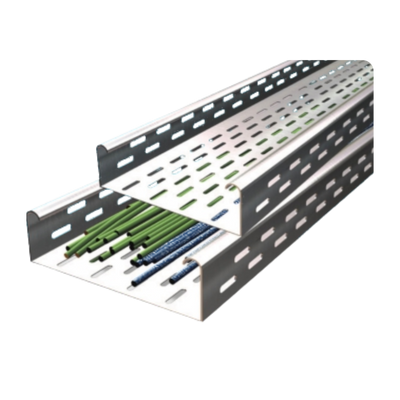
Perforated Cable Tray
A perforated cable tray is widely used for industrial electrical installations. Its perforated base provides ventilation and allows convenient fixing of cables. It is suitable for many power, control, and electrical cable routing applications.
Perforated trays are often considered when a project requires a balance between cable support, ventilation, accessibility, and economical installation.
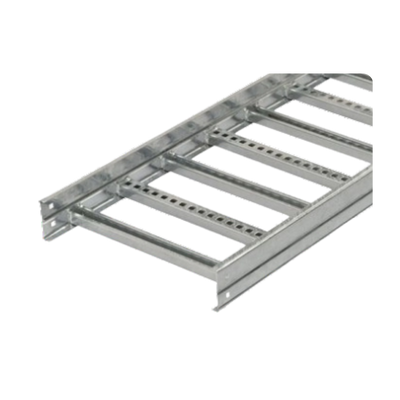
Ladder Cable Tray
A ladder cable tray is suitable for applications involving heavier cables or longer cable spans. Its ladder-style construction provides strong support and allows airflow around cables.
For heavy-duty industrial installations, ladder trays can be considered when cable weight and support requirements are major design factors.
Raceway Cable Tray
A raceway cable tray provides a more enclosed cable routing arrangement. It can be useful where additional protection and a cleaner cable management appearance are required.
Wire Mesh Cable Tray
A wire mesh cable tray offers an open structure that can be suitable for various electrical and communication cable installations. Its design allows flexibility in routing and can be useful in applications where easy access and ventilation are important.
3. Consider the Installation Environment
The environment in which a cable tray will be installed is one of the most important selection factors. Industrial projects in Mumbai may involve indoor production areas, outdoor installations, rooftops, utility areas, commercial buildings, and locations exposed to moisture or other environmental conditions.
Humidity, water exposure, chemicals, dust, temperature variations, and industrial pollutants can influence the long-term performance of a cable management system. The selected material and finish should therefore match the actual installation environment.
For projects requiring protection against corrosion, galvanized or other suitable protective finishes may be considered based on project specifications. The IEC 61537 standard for cable tray and cable ladder systems includes requirements and tests related to cable management systems, including corrosion classification and safe working load testing.
Project teams should always evaluate the expected environmental exposure before finalizing the tray material and finish.
4. Calculate Cable Load and Tray Capacity
One of the most important technical considerations when choosing a cable tray for industrial projects in Mumbai is the expected cable load. The tray must be suitable for the total weight of the cables between support points.
When calculating cable tray capacity, consider:
- Total weight of cables
- Tray width and depth
- Support span
- Expected future cable additions
- Installation orientation
- Weight of accessories and related components
Choosing a tray based only on its physical dimensions can lead to an unsuitable installation. The tray, supports, and fixing arrangement should be considered as part of the complete cable management system.
For industrial projects with heavy power cables, ladder-type systems may be suitable in applications where higher support capacity and ventilation are required. For lighter or general-purpose installations, perforated or other tray designs may be more appropriate depending on project requirements.
5. Choose the Correct Tray Width and Size
Cable tray sizing should be based on the actual cable arrangement rather than only the current installation requirement. The tray should provide sufficient space for cable routing without unnecessary overcrowding.
During planning, consider the diameter of each cable, the number of cables, required spacing, cable grouping, and potential future expansion. A properly sized tray can make installation and maintenance easier.
Overfilling a cable tray can make cable identification and maintenance more difficult. On the other hand, selecting a tray that is significantly larger than required may increase material and installation costs. A balanced approach based on project requirements is recommended.
6. Consider Material and Surface Finish
The material and surface finish of a cable tray can influence its durability and suitability for a specific application. Common project considerations include mechanical strength, corrosion resistance, installation environment, and maintenance requirements.
For industrial projects, galvanized cable trays are commonly considered where protection against corrosion is important. The appropriate finish should be selected according to the environment and project specifications.
When comparing options from a cable tray manufacturer in Mumbai or a supplier serving Mumbai projects, ask for product specifications related to material, thickness, finish, dimensions, load capacity, and available customization.
7. Plan Cable Tray Supports and Accessories
A cable tray system is not limited to the tray itself. Supports, brackets, connectors, covers, and other accessories are important for creating a complete installation.
Depending on the project design, supporting components may include strut channels, C channels, brackets, tray covers, and other cable tray accessories.
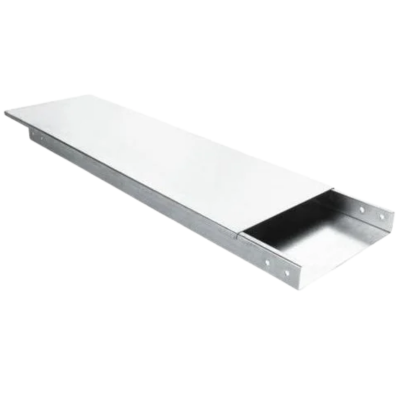
In certain installations, a cable tray cover may be considered where additional protection from dust, falling objects, or environmental exposure is required. The selection should be based on the specific installation conditions and project requirements.
Proper support planning is essential because the tray system must remain stable under the expected cable load. The spacing and type of supports should be determined according to the tray design, loading conditions, installation method, and applicable project specifications.
8. Think About Future Expansion
Industrial facilities frequently expand their electrical systems over time. New machinery, production lines, automation systems, control equipment, and communication infrastructure may require additional cables.
When selecting a cable tray for industrial projects in Mumbai, it is useful to consider future expansion during the design stage. Providing reasonable capacity for additional cables can reduce the need for major modifications later.
A well-planned cable management system can also make future cable identification and maintenance more convenient. This is particularly important in large facilities where cables may run over considerable distances.
9. Work with an Experienced Cable Tray Manufacturer
Choosing a suitable cable tray system becomes easier when the manufacturer understands the project requirements. A reliable supplier should be able to discuss product types, sizes, materials, finishes, load requirements, and project-specific requirements.
When evaluating an industrial cable management supplier in Mumbai, consider:
- Product range and available cable tray types
- Material and finish options
- Manufacturing capabilities
- Availability of different sizes and specifications
- Ability to support project-specific requirements
- Product quality and consistency
- Experience in industrial applications
For technical references and standards-related information, project teams can also consult the Bureau of Indian Standards (BIS) Know Your Standard portal and relevant project specifications.
Conclusion
Selecting the right cable tray system is an important decision for industrial electrical infrastructure. The best solution depends on several factors, including cable type, cable quantity, load, tray size, installation environment, corrosion exposure, support arrangement, and future expansion requirements.
For businesses planning industrial projects in Mumbai, choosing the correct cable management system at the design stage can support better organization, accessibility, and long-term maintenance. Whether the project requires perforated cable trays, ladder cable trays, raceway systems, wire mesh trays, cable tray covers, or supporting components, the product should be selected according to the actual application.
By working with an experienced cable tray manufacturer serving Mumbai, contractors, engineers, consultants, and industrial project owners can evaluate suitable cable management solutions for their specific requirements.
Frequently Asked Questions
What type of cable tray is best for industrial projects in Mumbai?
The best cable tray depends on the cable type, total load, installation environment, support span, and project requirements. Perforated, ladder, raceway, and wire mesh cable trays may each be suitable for different industrial applications.
How do I choose a cable tray for heavy power cables?
For heavy power cables, evaluate the total cable weight, support span, tray dimensions, and required load capacity. Ladder cable trays may be considered for applications requiring strong support and ventilation, subject to project specifications.
Are galvanized cable trays suitable for industrial applications?
Galvanized cable trays may be suitable for applications where protection against corrosion is required. The correct finish should be selected based on the installation environment and project requirements.
Why is cable tray sizing important?
Correct cable tray sizing helps provide sufficient space for cable installation, maintenance, and possible future expansion. The tray should be selected based on cable quantity, diameter, weight, spacing, and installation conditions.
What accessories are required for a cable tray system?
Depending on the installation, a cable tray system may require supports, brackets, connectors, covers, strut channels, C channels, and other accessories. The exact requirements depend on the project design and installation method.
How can I choose the right cable tray manufacturer in Mumbai?
Consider the manufacturer’s product range, material and finish options, manufacturing capabilities, available sizes, quality standards, customization capabilities, and experience with industrial cable management applications.
Get the Right Cable Management Solution for Your Mumbai Project
Planning an industrial electrical installation in Mumbai? Efra Industries offers a range of cable management solutions for industrial and infrastructure applications. From perforated and ladder cable trays to raceway systems, wire mesh trays, covers, and supporting products, our team can help you identify suitable options for your project requirements.
Contact Efra Industries today to discuss your cable tray requirements and request a quotation for your industrial project.
Request a quotation for your cable tray project or contact our team to discuss your requirements.