Electrical cable management is an important part of industrial infrastructure. From manufacturing plants and warehouses to commercial buildings and infrastructure projects, properly organised cables help maintain accessible, structured and manageable electrical installations. Selecting the right cable tray system is therefore an important decision during project planning.
For businesses exploring Perforated Cable Tray Manufacturers in Ahmedabad, one common question is whether a perforated cable tray or a ladder cable tray is better suited to their application. Both designs support cable routing, but their construction, ventilation characteristics, accessibility and suitability for different installations can vary.
Ahmedabad’s industrial and commercial projects have diverse electrical requirements. The appropriate cable tray depends on the types of cables being installed, the available space, environmental conditions, support arrangements and future maintenance needs. Understanding these factors can help project engineers, contractors and procurement teams make a more informed decision.
In this guide, we compare perforated and ladder cable trays, explain their common applications and outline what to consider when evaluating cable tray suppliers in Ahmedabad.
What Is a Perforated Cable Tray?
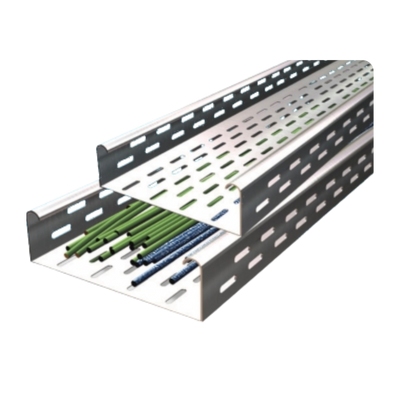
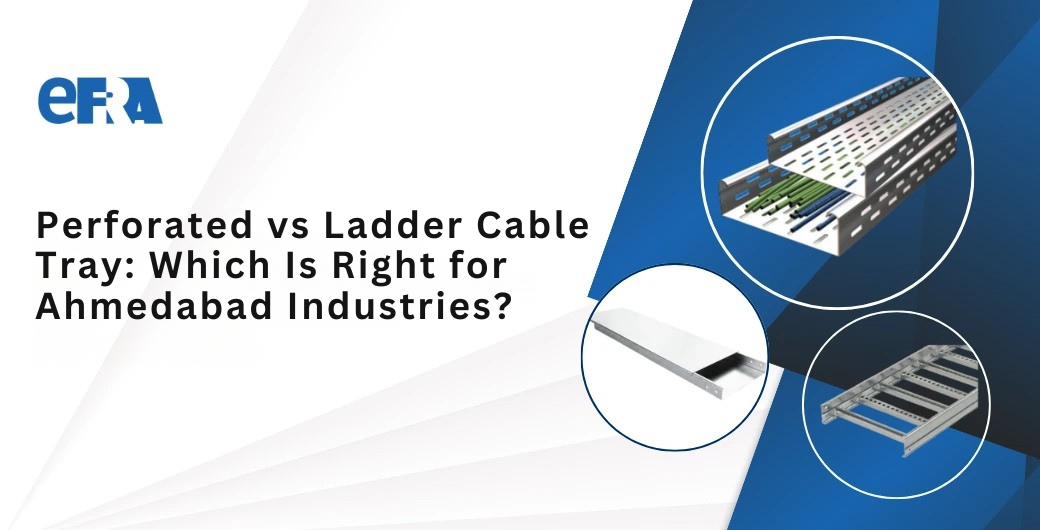
A perforated cable tray is a cable support system with regularly spaced openings along its base. These openings can assist ventilation and provide flexibility when securing cables, depending on the tray design and installation requirements. Perforated trays are commonly considered for electrical installations where organised cable routing and convenient access are important.
Explore the available perforated cable tray options from Efra Industries to understand the product category relevant to your project.
Key Features of Perforated Cable Trays
- Perforated base: Openings along the tray base can support ventilation and provide suitable cable-fixing points, depending on the design.
- Organised routing: The tray provides a defined pathway for electrical cables across industrial and commercial installations.
- Practical accessibility: Its construction can make cable arrangement and inspection convenient when the installation is properly planned.
- Multiple configurations: Tray width, depth, material thickness and finish can be selected according to the available product specifications and project requirements.
- Accessory compatibility: Suitable covers, connectors and other fittings may be used where compatible with the selected tray system.
Where Are Perforated Cable Trays Used?
Perforated cable trays may be suitable for manufacturing facilities, commercial buildings, electrical rooms, utility areas and other installations requiring organised cable support. They can be considered where cable access, routing flexibility and ventilation are relevant to the design.
The final selection should account for the cable load, installation environment, required protection and support spacing. A perforated design is not automatically the best option for every project, so its suitability should be assessed against the actual installation conditions.
What Is a Ladder Cable Tray?
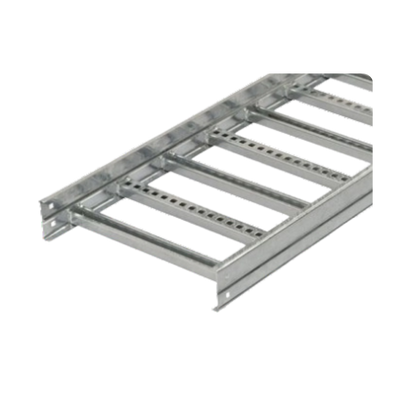
A ladder cable tray consists of two side rails connected by regularly spaced cross-members, commonly called rungs. Its open structure provides spaces between the rungs and allows cables to be routed along a defined support pathway.
For installations involving substantial cable runs or applications where an open structure is preferred, ladder trays may be worth evaluating. Their suitability depends on the cable arrangement, support design, loading conditions and requirements of the electrical installation.
Learn more about the ladder cable tray range available through Efra Industries.
Key Features of Ladder Cable Trays
- Open construction: The spaces between the rungs allow airflow around appropriately installed cables.
- Accessible cable routes: The open design can make cable inspection and maintenance convenient where access is available.
- Support for cable runs: Ladder trays can be considered for installations with long cable routes, subject to correct loading and support design.
- Flexible installation planning: Different widths, depths and configurations may be available to accommodate project specifications.
- Compatible fittings: Bends, connectors, supports and other accessories must match the selected tray system.
Where Are Ladder Cable Trays Used?
Ladder cable trays are commonly considered for industrial facilities, manufacturing plants, utility installations and infrastructure projects where an open cable support system is appropriate. They may be particularly useful when the installation design prioritises ventilation and access along cable routes.
However, the tray must still be selected according to cable weight, support intervals, installation conditions and the manufacturer’s technical information. Project-specific engineering is essential for determining the appropriate configuration.
Perforated vs Ladder Cable Tray: Key Differences
Although both systems support cable routing, their construction makes them suitable for different installation priorities. The following comparison can help buyers shortlist options before consulting a supplier.
| Comparison factor | Perforated cable tray | Ladder cable tray |
|---|---|---|
| Construction | Base with regularly spaced perforations | Side rails connected by cross-members or rungs |
| Ventilation | Airflow through the openings, depending on the design | Open construction provides airflow around cables |
| Cable support | Continuous base support with perforations | Support provided by the side rails and rungs |
| Common selection priorities | Organised routing, cable access and a perforated base | Open construction, ventilation and accessible cable runs |
| Maintenance | Access depends on the installation layout and surrounding space | Open construction can facilitate inspection where accessible |
| Load suitability | Must be verified for the specific tray and support arrangement | Must be verified for the specific tray and support arrangement |
| Accessories | Requires compatible fittings and covers where specified | Requires compatible fittings and covers where specified |
Neither design is universally better. The right choice depends on the project specifications, cable types, environmental conditions and installation priorities.
How to Choose the Right Cable Tray for Ahmedabad Industries
1. Assess the Cable Types and Quantity
Start by identifying the cables that will run through the system. Consider their quantity, dimensions, weight and arrangement, along with any applicable separation requirements. A tray should provide adequate space for the planned cable layout without relying on assumptions about future capacity.
2. Evaluate Load Capacity and Support Spacing
Load capacity depends on factors such as material thickness, tray dimensions, support spacing, connections and loading conditions. Request technical data for the specific tray configuration and confirm that it meets the project’s requirements. The installation engineer should verify the proposed arrangement before approval.
3. Consider the Installation Environment
Indoor electrical rooms, outdoor installations and industrial production areas can have different environmental demands. Assess exposure to moisture, dust, chemicals, temperature variations and other relevant conditions. The selected material and finish should be appropriate for the intended environment.
For projects considering galvanised products, compare the specified coating or galvanising method rather than treating all finishes as equivalent. Discuss the available options with Ladder Cable Tray Manufacturers in Ahmedabad and suppliers of perforated trays, and request documentation relevant to the application.
4. Review Space and Maintenance Requirements
Consider the available installation space, cable entry and exit points, bends, support locations and access for inspection. A tray system should fit the planned cable route and allow maintenance teams to work safely. Future expansion should also be considered where the project design identifies a genuine need.
5. Check Accessories and Covers
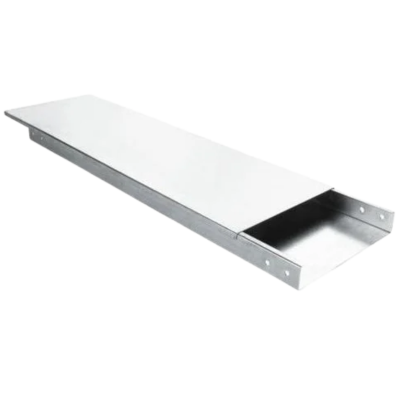
A complete installation may require connectors, bends, supports, brackets and covers. Confirm that these components are compatible with the selected tray dimensions and design. If additional protection is required, explore the available cable tray covers and verify their suitability for the installation.
Planning accessories at the same time as the main trays can help procurement teams prepare a more complete bill of materials and avoid overlooking essential components.
What Should You Look for in Cable Tray Suppliers in Ahmedabad?
Choosing a supplier involves more than comparing the price per unit. Buyers should review whether the proposed products meet the project’s technical requirements and whether the quotation clearly defines the supplied items.
Before finalising an order, consider these factors:
- Product specifications: Confirm tray type, dimensions, material thickness and finish.
- Technical documentation: Request applicable load data, material details and relevant quality documents.
- Product range: Check the availability of the required tray designs and compatible accessories.
- Quotation clarity: Compare quantities, fittings, taxes, transport charges and other stated costs.
- Communication: Ensure that specification questions and product requirements can be clarified before ordering.
- Delivery planning: Confirm lead times, delivery arrangements and order terms directly with the supplier.
For additional technical context, consult the International Electrotechnical Commission’s standards resources to identify standards relevant to your application. Confirm the applicable requirements for the project rather than assuming that every cable tray product follows the same standard.
Explore Cable Tray Solutions from Efra Industries
Efra Industries offers a product portfolio covering different cable tray categories and related industrial electrical products. Buyers planning an installation can review the products section to explore available options and identify categories relevant to their requirements.
When comparing Perforated Cable Tray Manufacturers in Ahmedabad or evaluating ladder tray options, prepare your specifications before requesting a quotation. Include the required dimensions, quantities, material or finish preferences, installation environment and accessories wherever these details are known.
Clear requirements make it easier to assess whether the proposed products match the project. Confirm the specifications, availability and delivery terms directly with the supplier before placing an order.
Frequently Asked Questions
1. Which is better: a perforated cable tray or a ladder cable tray?
Neither is automatically better for every installation. Perforated trays have a continuous base with openings, while ladder trays use side rails and rungs. The right option depends on cable types, load requirements, ventilation, installation conditions and maintenance needs.
2. What should I ask perforated cable tray manufacturers in Ahmedabad?
Ask about available dimensions, material thickness, finish, load data, compatible accessories and relevant technical documentation. Explain your installation conditions so the proposed product can be evaluated against your project specifications.
3. When should I consider a ladder cable tray?
A ladder cable tray may be suitable when an open support structure, ventilation and accessible cable routing are important. Check the cable arrangement, support spacing and loading requirements before selecting the final configuration.
4. Are galvanised cable trays suitable for outdoor installations?
Suitability depends on the galvanising method, coating characteristics, environmental exposure and project specifications. Discuss the expected conditions with the supplier and verify that the selected material and finish provide the required level of corrosion protection.
5. How can I compare cable tray suppliers in Ahmedabad?
Compare quotations based on equivalent specifications, including tray type, dimensions, material, finish, load data, accessories, delivery terms and applicable documentation. This helps you evaluate technical suitability and overall cost more accurately.
Contact Efra Industries for Cable Tray Enquiries
Selecting the right cable tray system starts with understanding your installation requirements and comparing available products carefully. Whether you are considering perforated trays or ladder trays for a manufacturing facility, commercial building or infrastructure project, make sure the chosen system suits the cable layout, loading conditions and operating environment.
Planning a cable management project in Ahmedabad? Visit the Efra Industries contact page to discuss your product requirements and enquiry. Share your specifications and required quantities to help clarify the next steps for your cable tray procurement.