Cable Tray Accessories and Spare Supplies: A Buying Guide for Ahmedabad Projects
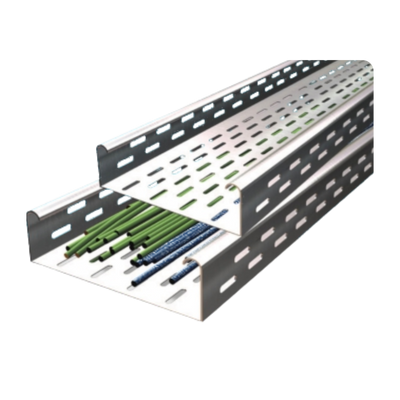
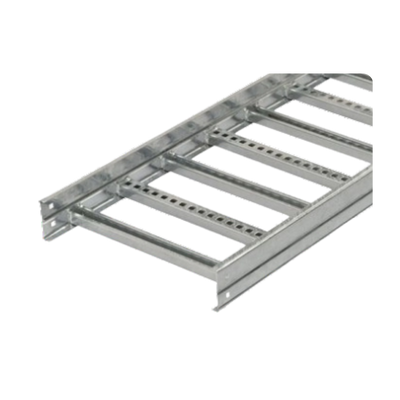
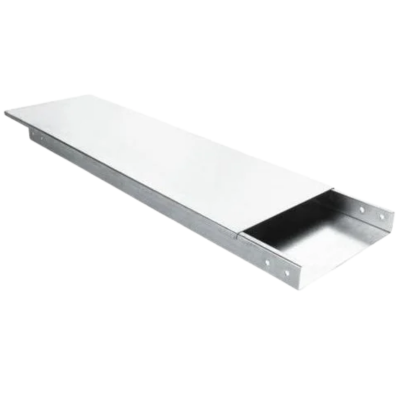
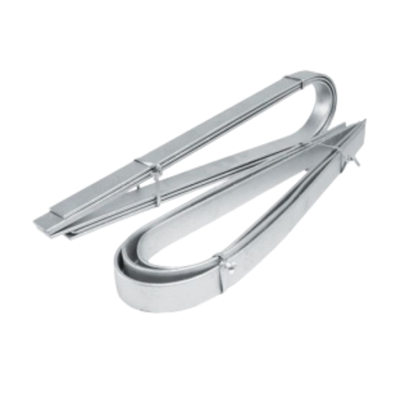
A reliable cable management system requires more than choosing the right cable tray. Accessories, covers, connectors, supports and spare components also play an important role in keeping cables organised, protecting installations and supporting maintenance. For factories, warehouses, commercial buildings, infrastructure developments and solar projects in Ahmedabad, selecting compatible cable tray accessories can help improve installation quality and reduce avoidable project delays. When comparing Cable Tray Accessories Suppliers in Ahmedabad, buyers should consider product compatibility, material, dimensions, installation conditions and the requirements of the complete cable routing system. Perforated, ladder, raceway and wire mesh cable trays can require different accessories, so selecting components based only on appearance or price may lead to fitment issues. This buying guide explains the common types of cable tray accessories and spare supplies, what to check before ordering, and how to coordinate purchasing with your project’s technical requirements. 1. Why Cable Tray Accessories Matter Cable tray accessories help connect, support, cover or adapt cable management routes. They are used when a tray route changes direction, passes between sections, requires additional support or needs protection from the surrounding environment. The exact accessories required depend on the tray design and installation layout. Using suitable accessories can help contractors maintain a consistent installation and simplify future inspection or modification. Conversely, incompatible components may create alignment problems, complicate installation or affect the intended performance of the cable management system. Before preparing a purchase order, review the cable tray layout, route dimensions, bends, junctions, support points and any areas where covers or additional fittings are required. A coordinated accessories list helps procurement teams order the correct quantities and avoid last-minute sourcing. 2. Perforated Cable Tray Accessories Perforated cable trays have openings along their base and may include raised sides to support and route cables. They are commonly considered for industrial and commercial installations where cable support, ventilation and accessibility are important. Perforated Cable Tray Accessories can include compatible bends, tees, reducers, couplers, connectors, supports and covers, depending on the system design. These components help installers create a continuous route while accommodating changes in direction, width or elevation. What to check before buying For project-specific requirements, explore Efra Industries’ perforated cable tray accessories category. Confirm available configurations and specifications with the supplier before ordering. 3. Ladder Cable Tray Accessories Ladder cable trays use two side rails connected by rungs. Their open construction is often suitable for installations that require accessible cable routes and ventilation, subject to the cable type, installation environment and engineering requirements. Ladder Cable Tray Accessories help connect tray sections and accommodate the route’s geometry. Depending on the product range, these may include bends, tees, reducers, couplers, mounting supports and compatible covers. Important purchasing considerations First, confirm the ladder tray’s width, side rail height, material and finish. Accessories must match the selected tray profile and joining arrangement. Check whether the installation needs horizontal or vertical changes in direction, branch connections or transitions between different tray widths. Support spacing and loading also deserve attention. The tray and its support system should be selected according to the expected cable load, span and manufacturer’s technical information. Do not assume that an accessory or support is suitable for every ladder tray simply because its dimensions appear similar. Where the project requires covers, verify how they fit the ladder tray and whether the specified design meets the installation’s protection and access requirements. View Efra Industries’ ladder cable tray accessories category to explore the relevant product range. 4. Raceway Cable Tray Accessories Raceway cable trays are used in cable routing applications where the chosen system’s design supports an organised route and, where specified, additional cable protection. The exact configuration and application depend on the raceway profile and the installation requirements. Raceway Cable Tray Accessories may include compatible connectors, bends, tees, reducers, end fittings, mounting components and covers, depending on the manufacturer’s range. These fittings help accommodate changes in direction and connect sections without relying on improvised modifications. How to select raceway accessories For installations with limited space or multiple route changes, preparing a detailed layout before procurement can help determine the fittings and quantities required. Avoid cutting, drilling or modifying components unless the manufacturer’s instructions and project design permit it. Explore the raceway cable tray accessories category from Efra Industries for product-related information. 5. Cable Tray Covers and Wire Mesh Cable Tray Requirements Cable tray covers Covers may be specified to help shield cable routes from certain external influences, depending on the cover design and installation conditions. They can be particularly relevant in locations where the project requires a defined level of protection from dust, falling debris or accidental contact. However, a standard cover should not be assumed to make a cable tray waterproof or suitable for every environment. When sourcing Cable Tray Covers Suppliers in Ahmedabad, check the cover’s width, profile, material, finish and fixing arrangement. Confirm that the cover is compatible with the tray and that the complete installation meets the project’s ventilation, access and protection requirements. Review Efra Industries’ cable tray cover product category for more information. Wire mesh cable tray accessories Wire mesh cable trays have an open mesh construction and may be selected for suitable installations requiring accessible cable routing. Their fittings and support requirements can differ from those of perforated, ladder or raceway trays. When comparing Wire Mesh Cable Tray Suppliers in Ahmedabad, ask about compatibility between the mesh tray, connectors, bends, support brackets and other specified fittings. Confirm the intended load, installation method and material finish before purchasing. Where the route includes corners, junctions or transitions, identify the required components in advance. Review the wire mesh cable tray category to learn more about this type of cable management product. 6. Spare Supplies: What Should Your Project Keep Available? Spare supplies can help maintenance teams handle routine repairs, extensions and approved modifications. The appropriate stock depends on the size of the installation, operating environment, equipment criticality and likelihood of future changes. Common items to consider include compatible couplers, fasteners, joining plates, brackets, supports, cover-fixing components and selected fittings used
Junction Boxes, Strut Channels and Earthing Strips for Industrial Projects in Ahmedabad
Industrial projects depend on more than machinery, cables and electrical panels. They also require reliable components that protect electrical connections, support installations and help maintain electrical safety. For manufacturing facilities, warehouses, commercial buildings and infrastructure developments in Ahmedabad, selecting suitable junction boxes, strut channels, C channels and earthing strips is an important part of project planning. Ahmedabad’s industrial ecosystem includes engineering units, textile facilities, pharmaceutical operations, warehouses and manufacturing plants. Each facility may have different requirements for cable routing, equipment mounting, electrical connections and grounding. Choosing the right components can help improve installation quality, simplify maintenance and support the long-term reliability of electrical infrastructure. When comparing Junction Box Manufacturers in Ahmedabad, project teams should consider material quality, dimensions, environmental conditions, installation requirements and compatibility with the overall electrical system. The same careful approach applies when sourcing support channels and earthing components. This guide explains their functions, common applications and the factors to evaluate before purchasing them. 1. Junction Boxes: Protecting Electrical Connections A junction box is an enclosure used to house and protect electrical wire connections, cable joints or related electrical components. It helps keep connections organised and provides a defined enclosure within an electrical installation. Depending on the design and application, junction boxes may be installed in industrial buildings, utility areas, control systems and equipment installations. Common applications of junction boxes How to select a suitable junction box Before contacting suppliers, identify the installation environment and the enclosure’s intended purpose. Consider the required dimensions, number of cable entries, mounting arrangement, material and access requirements. Outdoor installations or locations exposed to dust, moisture or corrosive conditions may need a more suitable enclosure design than clean indoor environments. Where protection against water or dust is required, verify the enclosure’s specified ingress protection rating and ensure that cable glands, covers and installation methods maintain the intended protection. Electrical safety requirements should be assessed by a qualified professional. Businesses comparing Junction Box Manufacturers in Ahmedabad should also request relevant product specifications and confirm whether the offered enclosure matches the project’s drawings and operating conditions. Explore Efra Industries’ junction box solutions to review the available product category. 2. Strut Channels: Flexible Support for Industrial Installations Strut channels are structural support components commonly used to mount, suspend and organise services in industrial and commercial environments. When combined with compatible brackets, nuts, clamps and fasteners, they can form adjustable support arrangements for cable trays, conduits, pipes and selected equipment. Their modular design can make installation and future modifications more convenient. Instead of fabricating a completely new support arrangement for every change, installers may be able to reposition or add compatible fittings where the system design permits. Where are strut channels used? Factors to consider when choosing strut channels The correct channel depends on the intended load, span, mounting method, support spacing and installation environment. Buyers should check the channel dimensions, material thickness, finish and compatibility with the required accessories. Load capacity should be based on the manufacturer’s technical information and the actual support configuration rather than appearance alone. Corrosion resistance is another consideration. A finish suitable for an indoor, dry installation may not be appropriate for a damp, chemically exposed or outdoor environment. Where channels will support cable trays or other services, the complete arrangement—including brackets, fasteners, anchors and the supporting structure—must be evaluated. When evaluating Strut Channel Manufacturers in Ahmedabad, ask for product specifications, available finishes and guidance on compatible accessories. Clear documentation helps contractors select components that align with project requirements. View Efra Industries’ strut channel product category for more information. 3. C Channels: Structural Support for Industrial Applications C channels are structural sections with a C-shaped profile. Depending on their dimensions, material and design, they can be used in support frames, equipment mounting arrangements and other applications where a suitable structural section is required. In electrical installations, C channels may form part of a support arrangement for cable trays and associated services. Although C channels and strut channels may appear similar in some installations, they should not automatically be treated as interchangeable. Their profiles, connection methods, load characteristics and intended applications can differ. The right selection depends on the engineering design and the requirements of the installation. Applications of C channels What should buyers check? Before purchasing, confirm the channel’s dimensions, thickness, material grade, finish and required length. Also consider the load, span, connection details and environmental conditions. Where the channel is part of a load-bearing support system, the design should be checked by a competent engineer. Companies searching for C Channel Suppliers in Ahmedabad should compare technical specifications rather than relying only on price. A lower-priced section may not meet the project’s dimensional, material or structural requirements. Consistency between the supplied product and approved drawings is especially important for projects with multiple installation locations. Explore the C channel product range to learn more about this category. 4. Earthing Strips: Supporting Electrical Grounding Systems Earthing is an essential consideration in electrical installations. An earthing strip is a conductive strip used as part of an appropriately designed grounding or bonding system. Depending on the electrical design, it may connect designated components or form part of a grounding network intended to provide a suitable path for fault current. Correctly designed and installed earthing arrangements help support electrical safety. However, an earthing strip by itself does not guarantee a safe installation. The complete system must be designed, installed, inspected and tested according to applicable requirements. Where are earthing strips used? How to choose an earthing strip Selection should be based on the grounding design, required cross-sectional dimensions, material, conductivity, installation method and environmental exposure. The strip must be suitable for the electrical duty and installation conditions specified by the responsible designer. Corrosion protection and connection quality also matter. Connections should be made using approved methods and compatible components. In environments where moisture, chemicals or other corrosive influences are present, the material and protective finish should be selected accordingly. When comparing Earthing Strip Manufacturers in Ahmedabad, request the relevant material details and dimensional specifications. Confirm that
Perforated vs Ladder Cable Tray: Which Is Right for Ahmedabad Industries?
Electrical cable management is an important part of industrial infrastructure. From manufacturing plants and warehouses to commercial buildings and infrastructure projects, properly organised cables help maintain accessible, structured and manageable electrical installations. Selecting the right cable tray system is therefore an important decision during project planning. For businesses exploring Perforated Cable Tray Manufacturers in Ahmedabad, one common question is whether a perforated cable tray or a ladder cable tray is better suited to their application. Both designs support cable routing, but their construction, ventilation characteristics, accessibility and suitability for different installations can vary. Ahmedabad’s industrial and commercial projects have diverse electrical requirements. The appropriate cable tray depends on the types of cables being installed, the available space, environmental conditions, support arrangements and future maintenance needs. Understanding these factors can help project engineers, contractors and procurement teams make a more informed decision. In this guide, we compare perforated and ladder cable trays, explain their common applications and outline what to consider when evaluating cable tray suppliers in Ahmedabad. What Is a Perforated Cable Tray? A perforated cable tray is a cable support system with regularly spaced openings along its base. These openings can assist ventilation and provide flexibility when securing cables, depending on the tray design and installation requirements. Perforated trays are commonly considered for electrical installations where organised cable routing and convenient access are important. Explore the available perforated cable tray options from Efra Industries to understand the product category relevant to your project. Key Features of Perforated Cable Trays Where Are Perforated Cable Trays Used? Perforated cable trays may be suitable for manufacturing facilities, commercial buildings, electrical rooms, utility areas and other installations requiring organised cable support. They can be considered where cable access, routing flexibility and ventilation are relevant to the design. The final selection should account for the cable load, installation environment, required protection and support spacing. A perforated design is not automatically the best option for every project, so its suitability should be assessed against the actual installation conditions. What Is a Ladder Cable Tray? A ladder cable tray consists of two side rails connected by regularly spaced cross-members, commonly called rungs. Its open structure provides spaces between the rungs and allows cables to be routed along a defined support pathway. For installations involving substantial cable runs or applications where an open structure is preferred, ladder trays may be worth evaluating. Their suitability depends on the cable arrangement, support design, loading conditions and requirements of the electrical installation. Learn more about the ladder cable tray range available through Efra Industries. Key Features of Ladder Cable Trays Where Are Ladder Cable Trays Used? Ladder cable trays are commonly considered for industrial facilities, manufacturing plants, utility installations and infrastructure projects where an open cable support system is appropriate. They may be particularly useful when the installation design prioritises ventilation and access along cable routes. However, the tray must still be selected according to cable weight, support intervals, installation conditions and the manufacturer’s technical information. Project-specific engineering is essential for determining the appropriate configuration. Perforated vs Ladder Cable Tray: Key Differences Although both systems support cable routing, their construction makes them suitable for different installation priorities. The following comparison can help buyers shortlist options before consulting a supplier. Comparison factor Perforated cable tray Ladder cable tray Construction Base with regularly spaced perforations Side rails connected by cross-members or rungs Ventilation Airflow through the openings, depending on the design Open construction provides airflow around cables Cable support Continuous base support with perforations Support provided by the side rails and rungs Common selection priorities Organised routing, cable access and a perforated base Open construction, ventilation and accessible cable runs Maintenance Access depends on the installation layout and surrounding space Open construction can facilitate inspection where accessible Load suitability Must be verified for the specific tray and support arrangement Must be verified for the specific tray and support arrangement Accessories Requires compatible fittings and covers where specified Requires compatible fittings and covers where specified Neither design is universally better. The right choice depends on the project specifications, cable types, environmental conditions and installation priorities. How to Choose the Right Cable Tray for Ahmedabad Industries 1. Assess the Cable Types and Quantity Start by identifying the cables that will run through the system. Consider their quantity, dimensions, weight and arrangement, along with any applicable separation requirements. A tray should provide adequate space for the planned cable layout without relying on assumptions about future capacity. 2. Evaluate Load Capacity and Support Spacing Load capacity depends on factors such as material thickness, tray dimensions, support spacing, connections and loading conditions. Request technical data for the specific tray configuration and confirm that it meets the project’s requirements. The installation engineer should verify the proposed arrangement before approval. 3. Consider the Installation Environment Indoor electrical rooms, outdoor installations and industrial production areas can have different environmental demands. Assess exposure to moisture, dust, chemicals, temperature variations and other relevant conditions. The selected material and finish should be appropriate for the intended environment. For projects considering galvanised products, compare the specified coating or galvanising method rather than treating all finishes as equivalent. Discuss the available options with Ladder Cable Tray Manufacturers in Ahmedabad and suppliers of perforated trays, and request documentation relevant to the application. 4. Review Space and Maintenance Requirements Consider the available installation space, cable entry and exit points, bends, support locations and access for inspection. A tray system should fit the planned cable route and allow maintenance teams to work safely. Future expansion should also be considered where the project design identifies a genuine need. 5. Check Accessories and Covers A complete installation may require connectors, bends, supports, brackets and covers. Confirm that these components are compatible with the selected tray dimensions and design. If additional protection is required, explore the available cable tray covers and verify their suitability for the installation. Planning accessories at the same time as the main trays can help procurement teams prepare a more complete bill of materials and avoid
How to Choose a Cable Tray Manufacturer and Supplier in Ahmedabad
Choosing the right cable tray system is an important step in planning a safe, organised and efficient electrical installation. Whether you are developing a manufacturing facility, commercial building, warehouse, solar project or industrial plant, the cable support system must suit your installation requirements, operating environment and future expansion plans. Selecting a suitable supplier can also help simplify procurement and coordination during project execution. For businesses searching for Cable Tray Manufacturers in Ahmedabad, the decision should involve more than comparing prices. Material quality, tray design, dimensions, load requirements, corrosion protection, accessories and technical support all deserve careful consideration. A well-selected cable tray system helps organise electrical cables, supports maintenance activities and makes better use of available installation space. Ahmedabad and its surrounding industrial areas serve a wide range of manufacturing, engineering, infrastructure and commercial projects. As project requirements vary, buyers need to identify a supplier who understands their specifications and can provide suitable cable management products. This guide explains the key factors to consider before choosing a cable tray manufacturer or supplier for your next project. 1. Understand Your Project’s Cable Management Requirements Before contacting Cable Tray Suppliers in Ahmedabad, prepare a clear understanding of your project’s electrical cable management needs. The appropriate tray depends on the type and quantity of cables, installation layout, environmental conditions and available support structure. Consider the following questions before requesting a quotation: Having these details ready makes it easier to compare suppliers on a like-for-like basis. It also reduces the possibility of selecting a tray that does not suit the installation conditions. 2. Select the Right Type of Cable Tray Different cable tray designs serve different purposes. Understanding their characteristics helps buyers choose a suitable system rather than relying on a single product type for every application. Perforated Cable Tray A perforated cable tray features openings along its base that can support cable routing and ventilation. It is commonly considered for industrial electrical installations where cable organisation, accessibility and practical cable support are important. The appropriate tray dimensions and load capacity should be selected according to the cable arrangement and installation design. Ladder Cable Tray A ladder cable tray has two side rails connected by rungs. Its open construction makes it a useful option for many installations involving larger cable runs and applications where ventilation and cable access are priorities. Buyers should evaluate cable spacing, support intervals, loading conditions and installation requirements before finalising the design. Raceway Cable Tray A raceway cable tray can be suitable for installations that require a more enclosed or channel-like cable routing arrangement, depending on the product design. Buyers should check the available configuration, dimensions, cover compatibility and accessibility requirements before selecting a system. Wire Mesh Cable Tray A wire mesh cable tray uses a mesh construction and may be considered for applications where flexible routing and convenient cable access are useful. Confirm that the selected product is appropriate for the cable types, loads and environmental conditions of the project. When comparing options, ask suppliers to explain the differences between the available designs and recommend a suitable configuration based on your actual requirements. 3. Check Material Quality and Corrosion Protection Material selection has a direct bearing on the suitability and service life of a cable tray system. The correct choice depends on the installation environment, expected exposure, maintenance conditions and project specifications. Galvanised steel is one option commonly considered for cable management installations. However, the type of galvanising and the required level of corrosion protection should be evaluated according to the application. When reviewing quotations from GI Cable Tray Suppliers in Ahmedabad, ask for details about the material grade, sheet thickness, finish and applicable quality requirements. Do not assume that all galvanised products offer identical protection. Pre-galvanised and hot-dip galvanised products have different manufacturing and coating characteristics, so the appropriate option should be selected for the intended environment. For demanding outdoor or industrial installations, consider exposure to moisture, chemicals, dust and other potentially corrosive conditions. Where specific coating or material standards apply, request the relevant product documentation and confirm that the proposed system meets the project’s requirements. 4. Evaluate Load Capacity and Tray Dimensions A cable tray must be suitable for the total load it will carry. Choosing a tray based only on its width or appearance can overlook important structural considerations. Before approving a product, discuss the following details with the supplier: Ask for applicable load tables or technical data for the exact tray configuration. The project engineer should verify the design against the intended loading conditions, support arrangement and relevant safety requirements. Avoid relying on general capacity claims that do not identify the product configuration and test conditions. 5. Review Product Range and Accessory Availability A supplier with access to the relevant cable management components can make procurement and installation coordination easier. Instead of evaluating only the main tray, check whether the required fittings and supporting products are also available. Depending on the project, these may include: Compatibility is essential. Confirm that fittings, connectors, covers and support components match the selected tray dimensions and design. A complete bill of materials can help identify missing items before procurement and reduce avoidable installation delays. 6. Assess the Manufacturer’s Quality and Technical Support Price is an important consideration, but it should not be the only factor when selecting a supplier. Product consistency, clear documentation and responsive communication can also influence the overall procurement experience. Before placing an order, ask potential suppliers about their quality control procedures, product specifications and inspection documentation. Where relevant to the project, request details of applicable testing, material traceability and compliance with the specified standards. It is also useful to evaluate how clearly a supplier responds to technical questions. Can they help clarify product dimensions, finishes and compatible accessories? Can they review your bill of materials and identify specification details that need confirmation? Clear communication at this stage can make coordination between procurement teams, contractors and project engineers more straightforward. For technical reference, buyers can consult the International Electrotechnical Commission (IEC) standards resources and identify the
Cable Tray Solutions for Solar, Manufacturing and Infrastructure Projects in Vadodara

Electrical infrastructure is an essential part of modern industrial, manufacturing, solar and infrastructure projects. As facilities become more automated and electrically connected, the need for organized cable routing and reliable cable support also increases. A properly designed cable management system can help keep power, control, instrumentation and communication cables organized while providing practical access for inspection and maintenance. For businesses planning industrial cable tray projects in Vadodara, selecting the right tray type, material, support system and accessories is an important part of electrical planning. Manufacturing plants, pharmaceutical facilities, chemical industries, solar installations, commercial developments and infrastructure projects can all have different cable management requirements. Efra Industries provides cable tray and electrical support solutions that can be considered for a range of industrial and infrastructure applications, including perforated, ladder, raceway and wire mesh cable management systems. Why Cable Tray Systems Are Important for Industrial Projects Electrical cables need proper mechanical support and organized routing throughout a facility. Installing cables without a structured support system can make inspection, maintenance and future modifications more difficult. A properly planned cable tray system can help: Organize multiple electrical cable routes Provide mechanical support for cables Improve accessibility during maintenance Separate and manage different cable routes where required Support future cable additions and modifications Create a cleaner and more structured electrical installation The selection of a cable tray should be based on cable type, cable quantity, cable weight, environmental conditions, installation arrangement and project specifications. A tray that works well for one application may not necessarily be appropriate for another. Cable Tray Requirements for Manufacturing Projects in Vadodara Manufacturing facilities can contain electrical systems serving machinery, motors, automation equipment, control panels, lighting and other plant services. These systems can result in multiple cable routes across production and utility areas. For such installations, industrial cable trays in Vadodara can provide defined pathways for electrical cables while allowing maintenance teams to access the cable routes when required. Depending on the cable arrangement and installation conditions, projects can consider options such as perforated cable trays, ladder cable trays or raceway systems. Perforated Cable Trays for Manufacturing Facilities Perforated cable trays feature openings in the tray base that can provide ventilation and convenient cable fastening points. They can be considered for general industrial cable routing where continuous cable support and accessibility are required. The appropriate width, height, material and support arrangement should be selected according to the project’s cable load and installation requirements. Ladder Cable Trays for Larger Cable Routes Ladder cable trays consist of side rails connected by cross rungs. Their open structure provides cable access and can be considered for installations where larger cable arrangements or an open support configuration is suitable. The cable loading, support spacing and installation environment should be evaluated before selecting a ladder tray for a manufacturing project. Cable Tray Systems for Pharmaceutical and Chemical Industries Pharmaceutical and chemical facilities may have specific environmental and electrical requirements. Cable management systems in these facilities should be selected with consideration for moisture, chemicals, temperature, cleanliness requirements and other site conditions. Material selection and protective finishes can be particularly important where cable support components may be exposed to challenging environments. For projects where corrosion protection is an important consideration, Efra’s article on hot-dip galvanizing for corrosion protection provides useful background on the role of protective finishes in cable tray applications. GI cable trays may be suitable for many industrial installations, but the final material and finish should always be selected according to the project’s actual environmental and engineering requirements. Cable Tray Solutions for Solar Projects in Vadodara Solar installations require organized routing for electrical cables connecting different parts of the power system. These routes may extend across equipment areas, rooftops, utility sections and other parts of a solar installation. Cable tray for solar projects in Vadodara can provide mechanical support and structured routing where appropriate for the project’s design. The selected system should account for cable type, installation location, environmental exposure and support requirements. Open tray designs can provide accessibility for cable installation and maintenance, while covered arrangements may be considered where additional protection is required by the project conditions. Project teams planning solar cable management can also review Efra’s information on cable tray applications for solar projects to understand some of the considerations involved in designing cable routes for renewable-energy installations. Important Considerations for Solar Cable Management Exposure to outdoor environmental conditions Cable type and quantity Tray dimensions and loading Support structure and mounting method Corrosion protection requirements Accessibility for inspection and maintenance Potential future expansion Solar projects can have long cable routes, making proper planning particularly important. The tray system should be coordinated with the overall electrical and structural design. GI Cable Trays for Industrial and Infrastructure Applications GI cable trays can be considered for various industrial and infrastructure installations where galvanized steel and its protective properties are suitable for the operating environment. When selecting a GI cable tray in Vadodara, project teams should evaluate the environment in which the tray will be installed. Indoor, outdoor, humid and chemically exposed environments may have different material and finish requirements. It is also important to consider the cable loading and structural requirements. Tray dimensions should provide adequate space for the planned cable arrangement while the supporting structure should be designed to carry the expected load. For broader guidance on electrical and electronic technologies, project teams can refer to relevant resources and standards published by the International Electrotechnical Commission (IEC). Applicable standards should be identified according to the specific project and installation requirements. Cable Tray Accessories for Complete Installation A cable tray system generally requires more than the main tray section. Depending on the installation, accessories and supporting components may be needed to create a complete cable routing system. These can include connectors, supports, brackets, covers and other components required to join, mount or protect tray sections. Efra provides dedicated perforated cable tray accessories, ladder cable tray accessories and raceway cable tray accessories for suitable cable management applications. Where additional protection is required, cable tray covers can
Industrial Cable Support Systems in Vadodara: Junction Boxes, Wire Mesh and Strut Channels

Industrial electrical installations require more than just cables and cable trays. A complete cable management system may also include junction boxes, wire mesh cable trays, strut channels, C-channels, supports, connectors and other accessories. These components work together to provide organized cable routing and structural support throughout an electrical installation. For companies planning industrial projects, selecting suitable cable support systems in Vadodara can help create a more organized and accessible electrical infrastructure. Manufacturing facilities, pharmaceutical plants, chemical industries, commercial buildings, infrastructure projects and other installations may have different cable routing and support requirements. Efra Industries offers a range of cable management and electrical support products, including junction boxes, wire mesh cable trays, strut channels, C-channels, earthing strips and related accessories for suitable industrial applications. What Are Industrial Cable Support Systems? Industrial cable support systems are the components used to route, support, organize and protect electrical cables and associated connections. While the cable tray provides a primary pathway for many cable installations, additional products may be required to create a complete and practical system. Depending on the project, a cable support arrangement may include: Cable trays Wire mesh cable trays Junction boxes Strut channels C-channels Tray covers Brackets and supports Connectors and accessories Earthing components The exact combination depends on the electrical design, cable arrangement, installation environment and structural requirements of the project. Why Cable Support Systems Matter in Industrial Projects Industrial facilities can contain extensive networks of power, control, instrumentation and communication cables. Without a properly planned support system, cable routes can become difficult to organize, inspect and maintain. A well-designed support system can help: Maintain organized cable routing Provide mechanical support for cable installations Improve access for inspection and maintenance Support structured cable distribution Accommodate different cable routes and installation configurations Make future modifications easier to plan For this reason, cable support should be considered during the electrical design stage rather than treated as an installation detail at the end of a project. Junction Boxes for Industrial Electrical Connections Junction boxes can form an important part of electrical infrastructure where cables or electrical connections need to be arranged within a suitable enclosure. They can help provide a structured location for selected electrical connections and cable transitions. Junction boxes in Vadodara can be considered for manufacturing, industrial, commercial and infrastructure applications depending on the project’s electrical design and enclosure requirements. Why Junction Boxes Are Important Electrical systems can require cables to branch, transition or connect at different points throughout a facility. A suitable junction box can provide an organized location for such connections rather than leaving connections exposed or poorly arranged. When selecting a junction box, project teams should consider the intended application, enclosure requirements, cable entry arrangements, environmental conditions and applicable electrical specifications. The junction box should also be integrated with the overall cable routing system so that cable entry and exit points remain practical and accessible. Wire Mesh Cable Trays for Flexible Cable Management Wire mesh cable trays use a mesh-based construction to provide a lightweight and open cable support arrangement. Their open structure can make cable access and routing convenient for suitable installations. Wire mesh cable tray in Vadodara can be considered for applications where an open support structure is appropriate for the cable types and installation conditions. Benefits of Wire Mesh Cable Trays Open construction provides easy cable access Allows airflow around the cable route Can provide flexible cable routing options Offers convenient access during installation and maintenance Can be integrated with suitable cable support accessories Wire mesh trays may be particularly useful where cable routing needs to change direction or where easy access to the cable arrangement is an important consideration. However, tray selection should always be based on cable loading, environmental exposure and project requirements. Strut Channels for Cable and Electrical Support Strut channels are structural support components that can be incorporated into suitable electrical and mechanical support arrangements. They can provide a framework for mounting and supporting various components in industrial installations. For projects requiring strut channel in Vadodara, the appropriate profile and configuration should be selected according to the intended support application and structural requirements. Applications of Strut Channels Depending on the project design, strut channels can be used in support arrangements for cable trays, electrical equipment, conduits and other services. They can provide a modular approach to creating support structures and may be adapted to different installation configurations. When designing a support system, engineers should consider the expected load, span, mounting method, environmental conditions and other structural factors. The support arrangement should be appropriately designed for the installation rather than relying solely on the tray or channel itself. C-Channel for Structural Cable Support C-channels can also form part of structural support systems used for electrical and industrial installations. Their profile can be incorporated into suitable support frameworks according to the requirements of the project. C-channel in Vadodara can be considered where a suitable structural profile is required for supporting cable management systems or other electrical infrastructure. As with other support components, selection should take into account the expected load, dimensions, installation arrangement and environmental conditions. Proper structural design is essential for maintaining the stability of the complete cable support system. How Cable Trays and Support Channels Work Together A cable tray system and its supporting structure should be treated as one coordinated installation. The tray provides the pathway for the cables, while structural components such as strut channels and C-channels can provide the framework needed to position and support the tray. For example, an industrial installation may use a perforated cable tray as the cable pathway while incorporating suitable support channels and brackets beneath or alongside the tray. The exact arrangement depends on the project design. Similarly, a ladder cable tray may require a properly designed support arrangement based on its dimensions, cable loading and installation environment. Coordinating these components during the planning stage can help avoid installation difficulties and ensure that the cable route has appropriate structural support. Applications of Cable Support Systems in Vadodara Different industries require different cable
Perforated, Ladder and Raceway Cable Trays for Vadodara Industries

Industrial electrical installations require a reliable method of routing, supporting and organizing cables. As manufacturing facilities, commercial infrastructure, pharmaceutical units, chemical industries and other projects expand, the number of power, control and communication cables can increase significantly. A properly planned cable management system helps keep these cable routes organized and accessible. For projects requiring cable tray types in Vadodara, three commonly considered options are perforated cable trays, ladder cable trays and raceway cable trays. Each design has different construction characteristics and can be selected according to cable type, installation environment, support requirements and project specifications. Efra Industries provides different cable management solutions for industrial and infrastructure applications, including perforated, ladder and raceway cable trays along with supporting products and accessories. Why Cable Tray Selection Matters for Industrial Projects A cable tray is more than simply a pathway for electrical cables. It forms part of the overall electrical support infrastructure and can influence how cables are installed, accessed, maintained and expanded in the future. Choosing an appropriate cable tray system can help project teams: Organize multiple cable routes in a structured manner Provide mechanical support for electrical cables Improve accessibility for inspection and maintenance Make cable routing easier to understand and manage Accommodate future cable additions where the design permits Maintain cleaner electrical installations The right tray should be selected according to the actual requirements of the installation rather than choosing a particular design simply because it is commonly used. Perforated Cable Tray for Industrial Applications Perforated cable trays feature a tray base with regularly arranged openings. This construction provides cable support while also allowing ventilation around the cable route. The openings can also provide convenient points for cable fastening during installation. Perforated cable tray in Vadodara can be considered for a wide range of industrial, commercial and infrastructure applications where cables need organized support and accessibility. Advantages of Perforated Cable Trays Provides continuous support for cables Allows ventilation around the cable route Provides convenient points for cable fastening Can be used for various cable arrangements Offers a structured and accessible cable routing solution Perforated trays can be particularly useful when a project requires a combination of cable support and an open construction. However, the final selection should be based on cable loading, dimensions, environmental conditions and the project’s engineering requirements. Ladder Cable Tray for Heavy and Large Cable Routes Ladder cable trays consist primarily of side rails connected by transverse rungs. Their open construction provides a practical arrangement for routing and supporting cables while allowing easy access to the cable route. For industrial installations where larger cable arrangements or heavier cable routes need to be supported, ladder cable tray in Vadodara can be considered as part of the cable management design. Advantages of Ladder Cable Trays Open structure provides easy cable accessibility Allows ventilation around cables Provides convenient support points for cable management Can be suitable for larger cable routes Facilitates inspection and maintenance of cable installations The spacing and construction of the ladder tray should be evaluated according to the cable arrangement and support requirements. Proper installation and supporting structures are also important for maintaining the integrity of the cable route. Raceway Cable Tray for Structured Cable Routing Raceway cable trays provide a more structured cable-routing arrangement and can be considered when the project requires a defined pathway for electrical cables. Their design can help maintain an organized appearance while providing a dedicated route for cable installation. Raceway cable tray in Vadodara can be considered for suitable industrial, commercial and infrastructure installations where cable routing requirements call for this type of configuration. Advantages of Raceway Cable Trays Provides a defined cable-routing pathway Supports organized cable installation Can help maintain a structured appearance Suitable for selected commercial and industrial applications Can be integrated with appropriate cable support accessories The choice between raceway, perforated and ladder configurations should be made after considering cable type, load, environment, accessibility and the overall electrical design. Perforated vs Ladder vs Raceway Cable Tray There is no single cable tray type that is ideal for every industrial installation. The three designs have different characteristics and should be matched to the application. Cable Tray Type Key Characteristic Suitable Considerations Perforated Cable Tray Perforated base with side walls General cable support, ventilation and accessible cable fastening Ladder Cable Tray Side rails with cross rungs Open cable routing and larger cable arrangements Raceway Cable Tray Defined cable-routing structure Organized and structured cable pathways Project engineers should evaluate the actual cable installation rather than selecting a tray solely based on its name or appearance. Factors such as cable weight, tray dimensions, support spacing, environmental exposure and maintenance access should all be considered. Applications of Cable Trays in Vadodara Industries Different industries have different electrical infrastructure requirements. Cable tray systems can be incorporated into many types of projects when appropriately designed and installed. Manufacturing Plants Manufacturing facilities may have separate cable routes for power distribution, motors, control systems and machinery. A properly planned tray system can provide organized pathways for these different electrical connections. Pharmaceutical Facilities Pharmaceutical facilities often require carefully planned electrical infrastructure. Cable tray selection should take into account the operating environment, cable requirements, maintenance access and applicable project specifications. Chemical Industries Chemical processing environments may expose electrical infrastructure to challenging operating conditions. Material selection and corrosion protection should therefore be evaluated carefully when designing cable management systems. Commercial and Infrastructure Projects Commercial buildings and infrastructure projects may require cable routing for power, lighting, communication, HVAC and other electrical services. Cable trays can provide organized pathways while helping simplify future maintenance. Solar Installations Solar projects require organized routes for electrical cables connecting different parts of the installation. Cable trays can provide mechanical support and structured routing where suitable for the project design. For solar applications, project teams can also review Efra’s information on cable tray systems for solar projects when evaluating cable management requirements. How to Choose the Right Cable Tray Type Choosing the appropriate industrial cable tray in Vadodara requires consideration of several technical factors. The following
Cable Tray Manufacturer and Supplier in Vadodara for Industrial Projects

Modern industrial and commercial projects depend on well-organized electrical systems to maintain safety, accessibility and reliable performance. As the number of power, control, instrumentation and communication cables increases, proper cable management becomes an important part of electrical infrastructure. Choosing the right cable tray manufacturer in Vadodara can help businesses develop an organized and practical cable routing system for their projects. From manufacturing facilities and pharmaceutical plants to commercial buildings, infrastructure developments and solar installations, cable trays provide a structured pathway for routing and supporting cables. Efra Industries offers cable management and electrical support solutions designed for different industrial and infrastructure requirements. Why Cable Management Matters in Industrial Projects Electrical cables installed without proper support can become difficult to inspect, maintain and modify. Unorganized cable routing may also create challenges during installation and future expansion. A properly designed cable tray system provides a defined route for cables while making the overall installation easier to manage. A suitable cable management system can help with: Organizing power and control cables Providing mechanical support for cable routes Improving accessibility during inspection and maintenance Supporting future cable additions and modifications Maintaining cleaner and more structured electrical installations Reducing unnecessary cable routing complexity For industrial projects in Vadodara, selecting the right tray type, material, dimensions and supporting accessories should therefore be considered during the electrical design stage rather than after cable installation has already started. Choosing a Cable Tray Manufacturer and Supplier in Vadodara When evaluating a cable tray supplier in Vadodara, project teams should look beyond product availability. The supplier should be able to provide suitable cable management options according to the project’s cable load, installation environment and routing requirements. Important factors include tray construction, material, dimensions, cable capacity, installation conditions, support requirements and the type of cables being routed. Projects with different operating conditions may require different cable tray designs. Working with an experienced manufacturer can also make it easier to select compatible accessories and supporting components instead of sourcing every part separately. Types of Cable Trays for Vadodara Industrial Applications Different projects require different approaches to cable routing. Efra Industries provides several cable tray solutions that can be considered according to project requirements. Perforated Cable Tray Perforated cable trays are commonly considered for installations where cable support and ventilation are important. The perforated construction provides multiple points for cable fixing while allowing air circulation around the cable route. They can be suitable for a wide range of industrial, commercial and infrastructure applications where cables need to be routed in an organized manner. Ladder Cable Tray Ladder cable trays feature side rails connected by regularly spaced rungs. This construction can provide convenient cable support and accessibility, particularly where larger cable routes or heavier cable arrangements are involved. The open design can also make cable installation and maintenance more accessible for suitable applications. Raceway Cable Tray Raceway cable trays provide a more enclosed cable-routing arrangement compared with highly open tray designs. They can be considered where cable protection and a more structured routing appearance are important project requirements. Cable Tray Covers Some installations may require additional protection for cables from environmental exposure, falling objects or other site conditions. In such applications, cable tray covers can be incorporated into the cable management system. The choice between an open tray and a covered arrangement should depend on the installation environment, cable type and project design requirements. GI Cable Trays for Industrial Installations Material selection is another important consideration when choosing an industrial cable tray. GI cable trays are widely considered for electrical installations where a practical combination of structural performance and corrosion resistance is required. However, the appropriate finish and material should always be selected according to the environmental conditions of the installation. Factors such as moisture, chemicals, temperature and exposure to the surrounding environment can influence the suitable cable tray specification. For projects where corrosion protection is an important consideration, understanding the difference between various protective finishes can help engineers and procurement teams make a more informed decision. Efra Industries also provides information about hot-dip galvanizing and corrosion protection for cable tray systems. Applications of Cable Tray Systems in Vadodara A reliable cable management system can be used across many types of projects. The appropriate tray design will depend on the electrical requirements and physical environment of each application. Manufacturing Facilities Manufacturing facilities often contain power cables, control cables, instrumentation cables and other electrical connections. Cable trays can provide defined routes for these systems while making inspection and maintenance more manageable. Pharmaceutical and Chemical Facilities Pharmaceutical and chemical installations can have specific environmental and electrical requirements. Cable tray selection should consider the operating environment, cable arrangement, corrosion exposure and required protection level. Commercial Buildings Commercial infrastructure may require cable management for electrical distribution, communication systems, HVAC equipment and other building services. A properly planned tray system can help maintain organized service routes while simplifying future access. Solar Projects Solar installations require structured routing for electrical cables between different components of the power system. Cable tray systems can help organize these routes and provide mechanical support where required. For projects involving renewable-energy installations, project teams can also review Efra’s information on cable tray applications for solar projects to understand some of the considerations involved in solar cable management. Supporting Components for Complete Cable Management A cable tray is only one part of a complete cable support system. Depending on the installation, additional structural and electrical support components may be required. For example, strut channels can be used in suitable support arrangements, while C-channels can form part of structural support systems. Wire mesh cable trays can also be considered for applications where their particular construction is appropriate. Electrical installations may also require suitable junction boxes, accessories and other supporting components. Selecting compatible components from the beginning can help create a more coordinated installation. Safety and Standards in Cable Tray Installation Electrical cable management should be considered as part of the overall electrical system design. Project engineers and contractors should follow applicable electrical standards, installation requirements and site-specific
Cable Tray for Solar Plants in Vapi: Complete Guide

Solar power projects require a reliable electrical infrastructure to safely route and support power, control and communication cables. As solar installations expand across industrial and commercial locations, selecting the right cable tray for solar plants in Vapi has become an important part of project planning. A properly designed cable management system can help keep cables organised, accessible and protected while supporting efficient installation and maintenance. Vapi is an important industrial region with manufacturing facilities, warehouses, commercial establishments and infrastructure projects that can benefit from solar power generation. Whether the project is a rooftop solar installation, industrial solar plant or larger solar project, the cable routing arrangement should be planned according to cable quantity, environmental exposure, installation layout and electrical requirements. Efra Industries offers a range of cable management products, including perforated cable trays, ladder cable trays, raceway cable trays, wire mesh cable trays, cable tray covers and supporting components for industrial applications. Why Cable Management Is Important in Solar Plants A solar plant can contain multiple cable routes connecting solar modules, combiner boxes, inverters, transformers, distribution equipment and monitoring systems. Without an organised routing system, cables may become difficult to inspect, maintain and manage. A suitable cable tray system provides a defined pathway for electrical cables and can help maintain separation and organisation throughout the installation. Properly supported trays can also reduce unnecessary cable movement and make future inspection or maintenance more convenient. Solar projects also have specific environmental considerations. Outdoor installations may experience sunlight, rain, dust, humidity and temperature variations. Therefore, the material and surface finish of the cable tray should be selected according to the project’s location and operating conditions. Choosing the Right Cable Tray for Solar Plants in Vapi There is no single cable tray configuration suitable for every solar project. The right selection depends on the cable type, cable quantity, installation route, load requirements, environmental conditions and project design. Common options include perforated cable trays, ladder cable trays, raceway cable trays and wire mesh cable trays. Each design has different characteristics and can be suitable for particular cable management requirements. Cable Tray Type Common Application Key Consideration Perforated Cable Tray Power and control cable routing Ventilation and flexible cable support Ladder Cable Tray Long cable routes and heavier cable arrangements Load and support requirements Raceway Cable Tray Enclosed or protected cable routing Cable protection and accessibility Wire Mesh Cable Tray Control, communication and selected power cables Ventilation and flexible routing The final product should always be selected according to the electrical and structural requirements of the solar project. Perforated Cable Tray for Solar Projects A perforated cable tray has openings along its base and sides, providing a practical structure for routing and supporting cables. It can be considered for solar installations where ventilation and cable accessibility are important. Businesses searching for a perforated cable tray manufacturer in Vapi should assess tray width, height, material thickness, finish, cable load and environmental conditions before procurement. Perforated trays can be useful for routing power and control cables through different areas of a solar installation. The openings can also provide convenient options for cable securing and installation accessories, depending on the system design. Explore the perforated cable tray range from Efra Industries for industrial cable management requirements. Ladder Cable Tray for Solar Plants Ladder cable trays use longitudinal rails with cross members to create a ladder-like structure. They can be considered for solar projects involving longer cable runs or cable arrangements where additional ventilation and support are required. Companies looking for ladder cable tray manufacturers in Vapi should consider the expected cable load, tray dimensions, support span, material and surface finish. The open design of a ladder cable tray can provide good ventilation around cables, which can be beneficial for certain installations. However, the final selection should be based on the project’s cable specifications and engineering design. Learn more about Efra’s ladder cable tray solutions. GI Cable Tray for Solar Projects in Vapi Galvanised cable trays are widely considered for applications where corrosion resistance and surface protection are important. For outdoor solar installations, selecting a suitable finish is particularly important because cable management components may be exposed to changing weather conditions. A GI cable tray manufacturer in Vapi can provide options based on project-specific dimensions, material specifications and finish requirements. When selecting a GI cable tray, project teams should evaluate the installation environment, expected exposure, cable load and required service life. The galvanising or protective finish should be appropriate for the environmental conditions in which the tray will operate. For additional information about corrosion protection, you can also review Efra Industries’ article on hot-dip galvanizing and corrosion protection. GI Cable Tray Supplier in Vapi: Key Selection Factors Choosing a GI cable tray supplier in Vapi should involve more than comparing product prices. Solar project owners, EPC contractors and electrical consultants should evaluate the product according to the actual requirements of the installation. Material and Finish Consider the base material and protective finish according to the project’s indoor or outdoor environment. Outdoor solar installations may require stronger corrosion protection than controlled indoor areas. Tray Dimensions Tray width and height should accommodate the planned cables while leaving suitable space for installation and maintenance. Future cable additions should also be considered where applicable. Load Capacity The tray and support arrangement should be designed for the expected cable load. Cable weight, support span and installation configuration should be evaluated before selecting the tray. Installation Conditions Solar plants can include rooftop areas, open ground installations, equipment rooms and cable trenches. Each location may have different cable management requirements. Cable Tray for Solar Projects in Vapi When planning a cable tray for solar projects in Vapi, it is useful to map the complete cable route before finalising the tray configuration. The route may connect solar arrays with combiner boxes, inverters and other electrical equipment. The cable management system should accommodate horizontal and vertical routing as required. Bends, junctions, changes in elevation and equipment connections should be considered during the design stage. For larger solar projects,
Junction Boxes, Wire Mesh Trays and Support Systems in Vapi

Modern industrial electrical installations require more than just cables and cable trays. A complete cable management system also depends on reliable junction boxes, wire mesh cable trays, strut channels, C channels and earthing components. For businesses searching for a junction box manufacturer in Vapi, wire mesh cable tray supplier in Vapi, strut channel manufacturer in Vapi or earthing strip supplier in Vapi, selecting compatible and suitable products is an important part of project planning. Vapi has a strong industrial presence, with manufacturing facilities, chemical processing units, pharmaceutical companies, warehouses, utilities and commercial infrastructure requiring organised electrical installations. Cable support and electrical enclosure components can help create structured cable routes, support equipment and provide suitable connections for different applications. Efra Industries provides a range of cable management and electrical infrastructure products, including wire mesh cable trays, junction boxes, strut channels, C channels, earthing strips and related accessories. Why Supporting Components Matter in Cable Management A cable tray system is only one part of an electrical cable management installation. Cables may need to pass through different sections of a facility, change direction, connect with electrical equipment and remain properly supported along their route. Supporting products help address these requirements. Junction boxes can be used for electrical connections and cable termination arrangements, while wire mesh cable trays provide an alternative cable routing structure. Strut channels and C channels can support cable trays and other electrical infrastructure, while earthing strips form an important part of grounding systems. Using compatible components can also simplify project procurement and installation. Instead of treating every component separately, project engineers can plan the complete cable management system according to the facility layout and electrical requirements. Junction Box Manufacturer in Vapi Junction boxes are used in electrical installations to provide a protected enclosure for cable connections, terminations and related electrical arrangements. Their application can vary according to the equipment, wiring configuration and environmental conditions. Businesses looking for a junction box manufacturer in Vapi should consider factors such as enclosure material, dimensions, mounting arrangement, environmental conditions and the specific electrical application. Applications of Junction Boxes A suitable junction box should provide an appropriate enclosure for the intended installation while allowing practical access for inspection and maintenance. Explore Efra Industries’ junction box solutions for industrial electrical applications. Choosing a Junction Box Supplier in Vapi When selecting a junction box supplier in Vapi, buyers should evaluate product specifications rather than choosing solely on price. The enclosure should be appropriate for the intended installation and should meet the project’s dimensional and environmental requirements. Important considerations can include the size of the enclosure, material, mounting method, cable entry requirements, operating environment and required protection level. For specialised industrial applications, project teams should also confirm the required specifications with their electrical design or engineering team. Wire Mesh Cable Tray in Vapi Wire mesh cable trays use a mesh-style construction to create a flexible cable routing pathway. They can be considered for applications where ventilation, cable accessibility and adaptable routing are important. For companies looking for a wire mesh cable tray manufacturer in Vapi, factors such as mesh construction, dimensions, material, finish, cable loading and installation environment should be evaluated. Benefits of Wire Mesh Cable Trays Wire mesh cable trays can be considered for data and communication cables, control systems, industrial wiring and other installations where an adaptable cable management arrangement is required. Visit the wire mesh cable tray category to explore the available product range. Wire Mesh Cable Tray Suppliers in Vapi: What to Check Before selecting a wire mesh cable tray supplier in Vapi, project teams should establish the required tray dimensions, cable quantity, expected load, material, finish and installation conditions. The support arrangement should also be considered during the design stage. Tray width and support spacing should be selected according to the project requirements rather than relying on a generic configuration. For larger installations, it can be useful to coordinate the wire mesh tray system with other cable support products so that the entire routing network remains consistent. Strut Channel Manufacturer in Vapi Strut channels are commonly used as structural support components in electrical and mechanical installations. They can provide a framework for mounting cable trays, electrical equipment and other services, depending on the application and engineering design. A strut channel manufacturer in Vapi should be evaluated based on product dimensions, material, thickness, finish and suitability for the required load and installation conditions. Where Are Strut Channels Used? Strut channels can be configured with suitable accessories to create practical support structures. The exact arrangement should be designed according to the load, span and installation conditions. Learn more about Efra’s strut channel products. GI Strut Channel Manufacturer in Vapi GI strut channels are galvanised support components that can be considered where a galvanised finish is appropriate for the installation environment. Galvanisation can provide a protective surface and may be useful in applications where exposure to environmental conditions needs to be considered. When comparing a GI strut channel manufacturer in Vapi, buyers should assess the required channel dimensions, material thickness, finish and project-specific loading requirements. Material and surface protection should be selected according to the operating environment. Industrial facilities with moisture, dust or other environmental exposure may require different specifications from controlled indoor installations. C Channel Manufacturer in Vapi C channels are structural support components that can be used for various electrical and industrial support applications. They can form part of cable tray support structures and other framework arrangements depending on the project design. Companies searching for a C channel manufacturer in Vapi should consider the required dimensions, material, thickness, finish and expected loading conditions. Applications of C Channels Efra Industries provides C channel solutions for industrial and electrical support applications. C Channel Suppliers in Vapi When choosing C channel suppliers in Vapi, project requirements should be clearly defined before procurement. The channel profile, thickness, dimensions and finish can affect the suitability of the product for a particular support arrangement. For cable tray projects, C channels can work together with strut channels and other accessories